


Impact Stories
From pilots to proof, AI impact in the real world

Filters
Agriculture
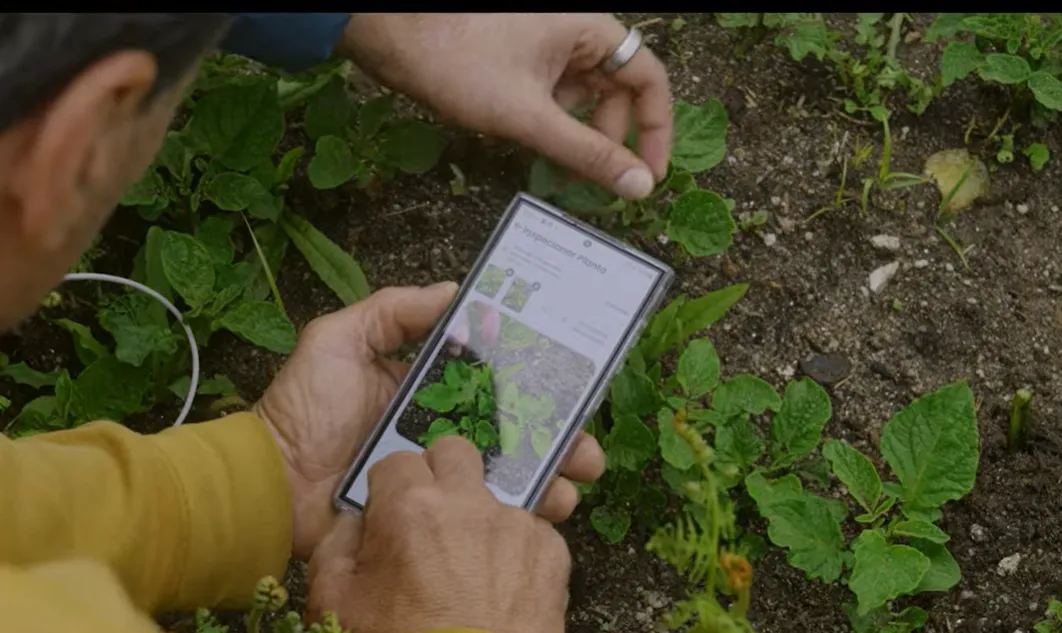
Clamigo: AI-Powered Crop Health Management for Climate-Resilient Urban Farming
Small-scale farmers and community gardeners face increasing challenges adapting their farming practices to climate change. Without access to real-time...

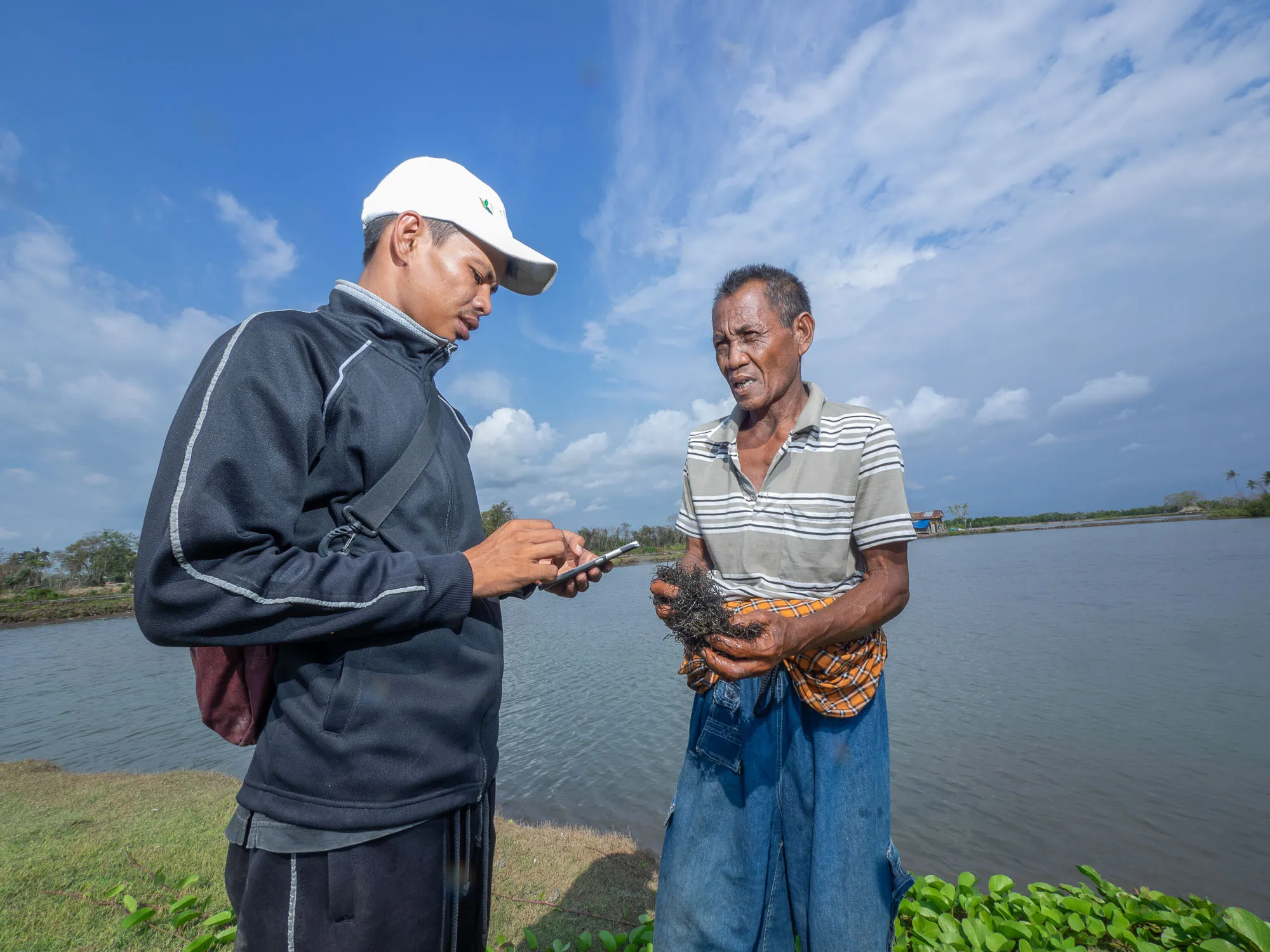
FarmCloud: AI Chatbot for Smallholder Farmer Advisory and Sustainable Agriculture
Smallholder producers often face limited access to timely, reliable, and localised agricultural knowledge. Challenges such as climate variability, pes...

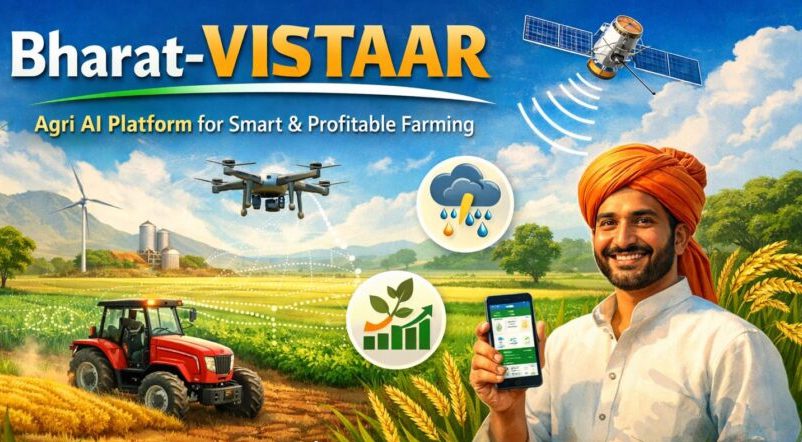
Bharat-VISTAAR (Virtually Integrated System to Access Agricultural Resources
Indian agriculture is characterised by fragmentation, information asymmetry, and limited access to timely, reliable advisory services. Over 140 millio...

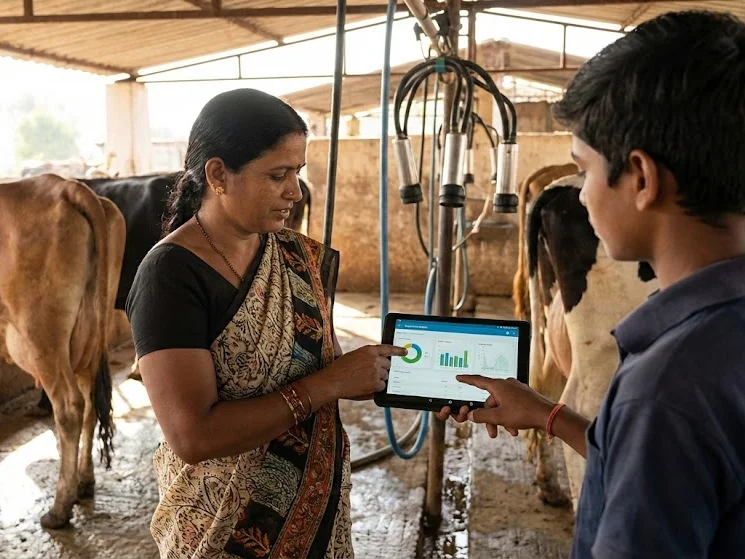
Sarlaben: AI-Powered Dairy Advisory Assistant for 3.6 Million Amul Cooperative Farmers
Dairy farming is highly information-intensive, but smallholder farmers — especially women milk producers in Gujarat — have limited access to timely, p...

KhetScore: AI-Driven Analytical Tool for Inclusive Agricultural Finance Services
Smallholder farmers in India are increasingly vulnerable to climate shocks and financial exclusion. 7 out of 10 smallholders admit lack of access to f...
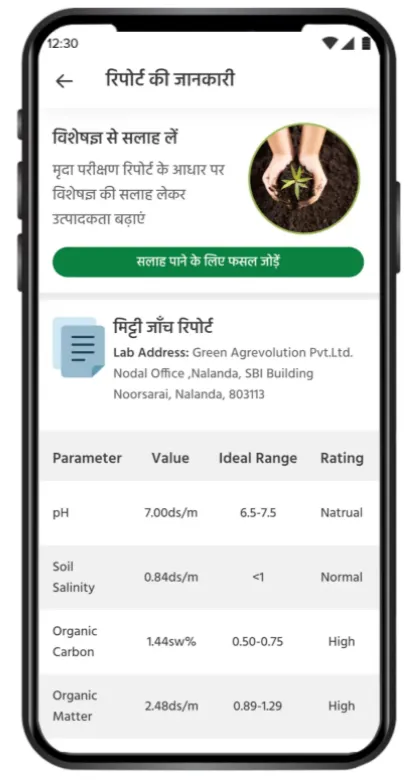
DeHaat: AI-Driven Crop Intelligence for Crop Planning and Advisory
Smallholder farmers in India increasingly face climate volatility, pest outbreaks, and rising input costs, while most advisory systems remain generic,...
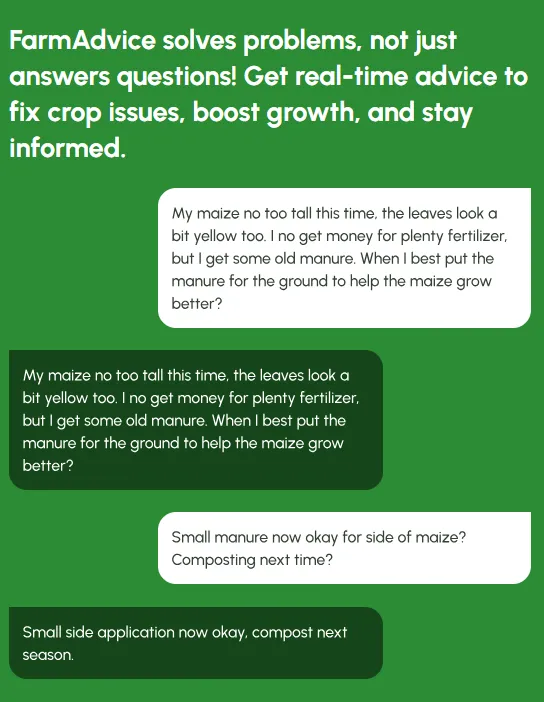
FarmAdvice: Closing the 1:50,000 Extension Gap via Voice-First AI
In Sub-Saharan Africa, the agricultural extension gap is a critical barrier to food security, with farmer-to-officer ratios reaching an unsustainable ...

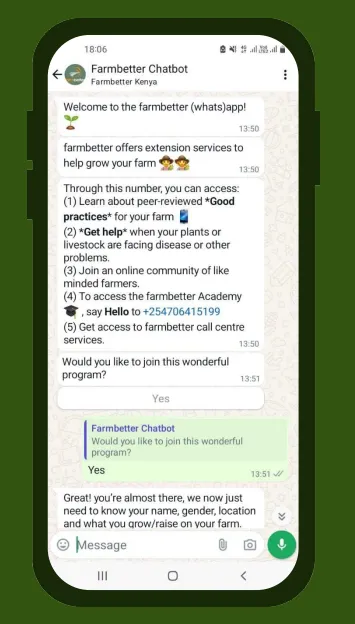
farmbetter: Digital AI-Driven Climate Resilience for Smallholder Farmers
Smallholder farmers in Africa and India face increasing climate variability, pest outbreaks, soil degradation, and limited access to timely, localised...

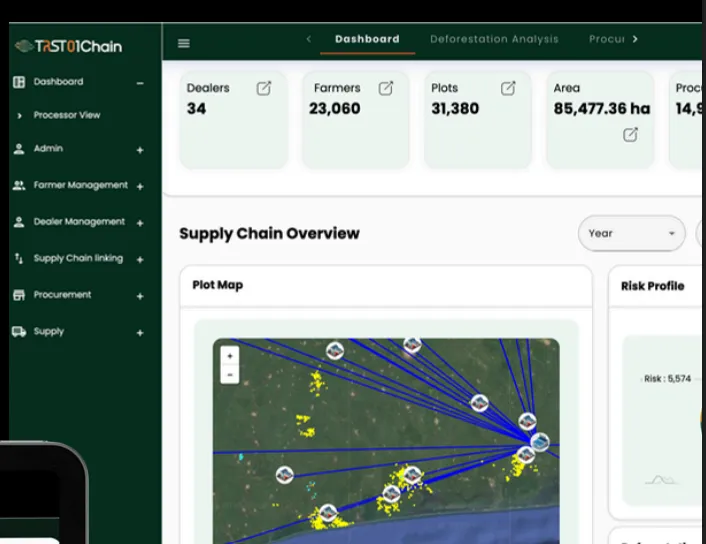
TRST01Chain: AI-Enabled Traceability for Deforestation-Free Agriculture and Carbon Markets
Global agricultural supply chains and carbon markets face persistent challenges including fragmented smallholder data, deforestation risk, weak monito...

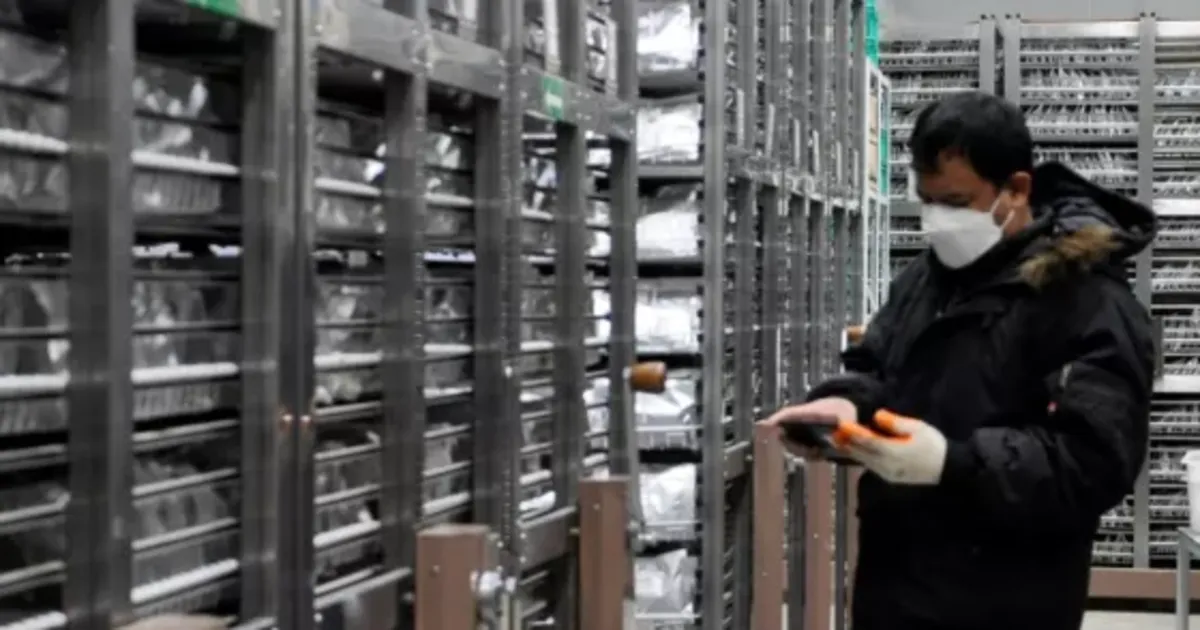
IRRI: AI-Driven Genebank Utilisation for Climate-Resilient Rice Breeding
Traditional rice breeding and parental selection rely on slow, resource-intensive field trials and expert judgement, limiting the speed at which new h...

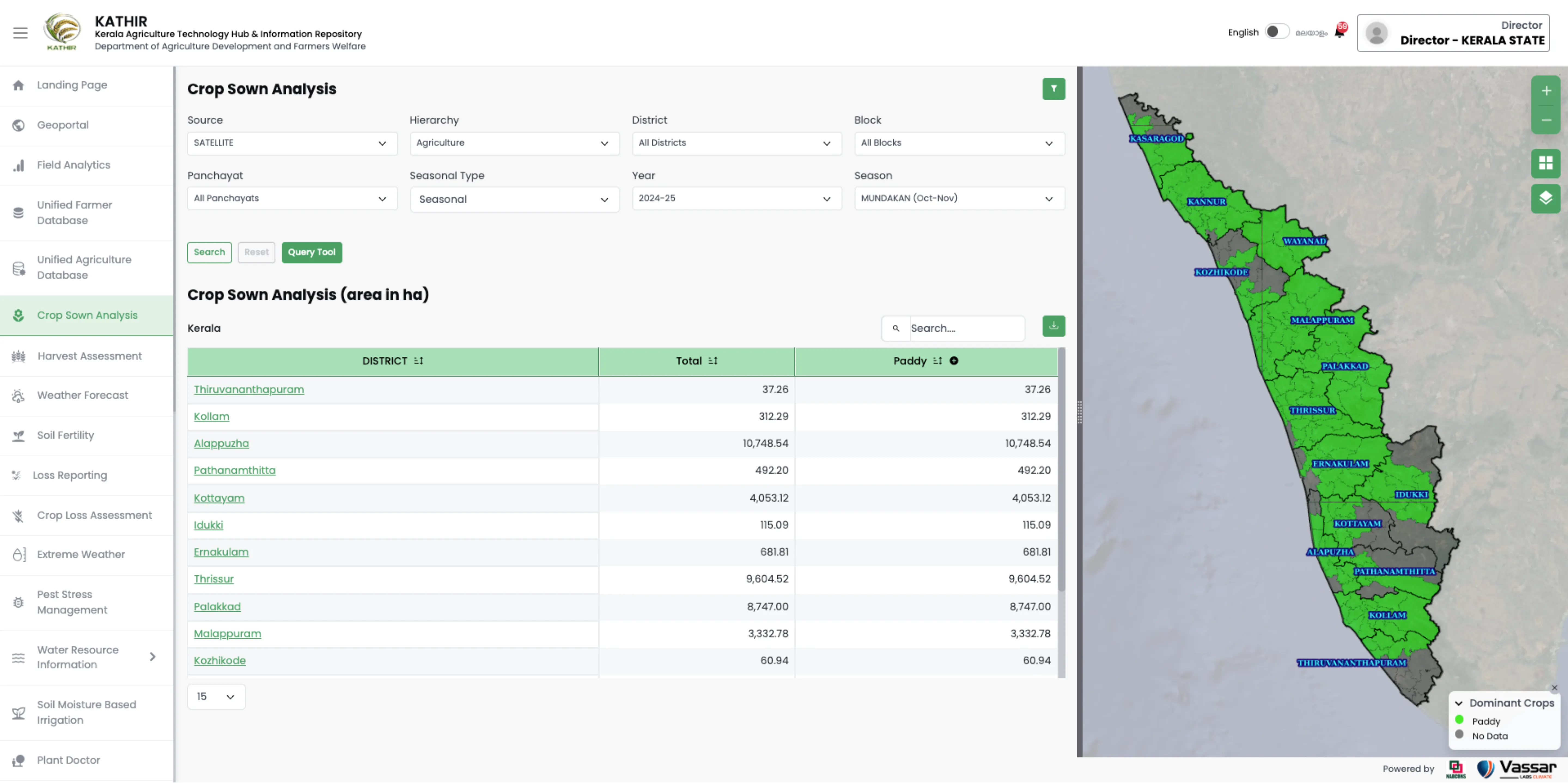
KATHIR: AI-Powered Digital Public Infrastructure for Farmers, Officers, and Policy Makers with Plot-to-State Level Monitoring
Farmers and agriculture departments across India face persistent challenges due to fragmented data systems, limited real-time field visibility, and de...
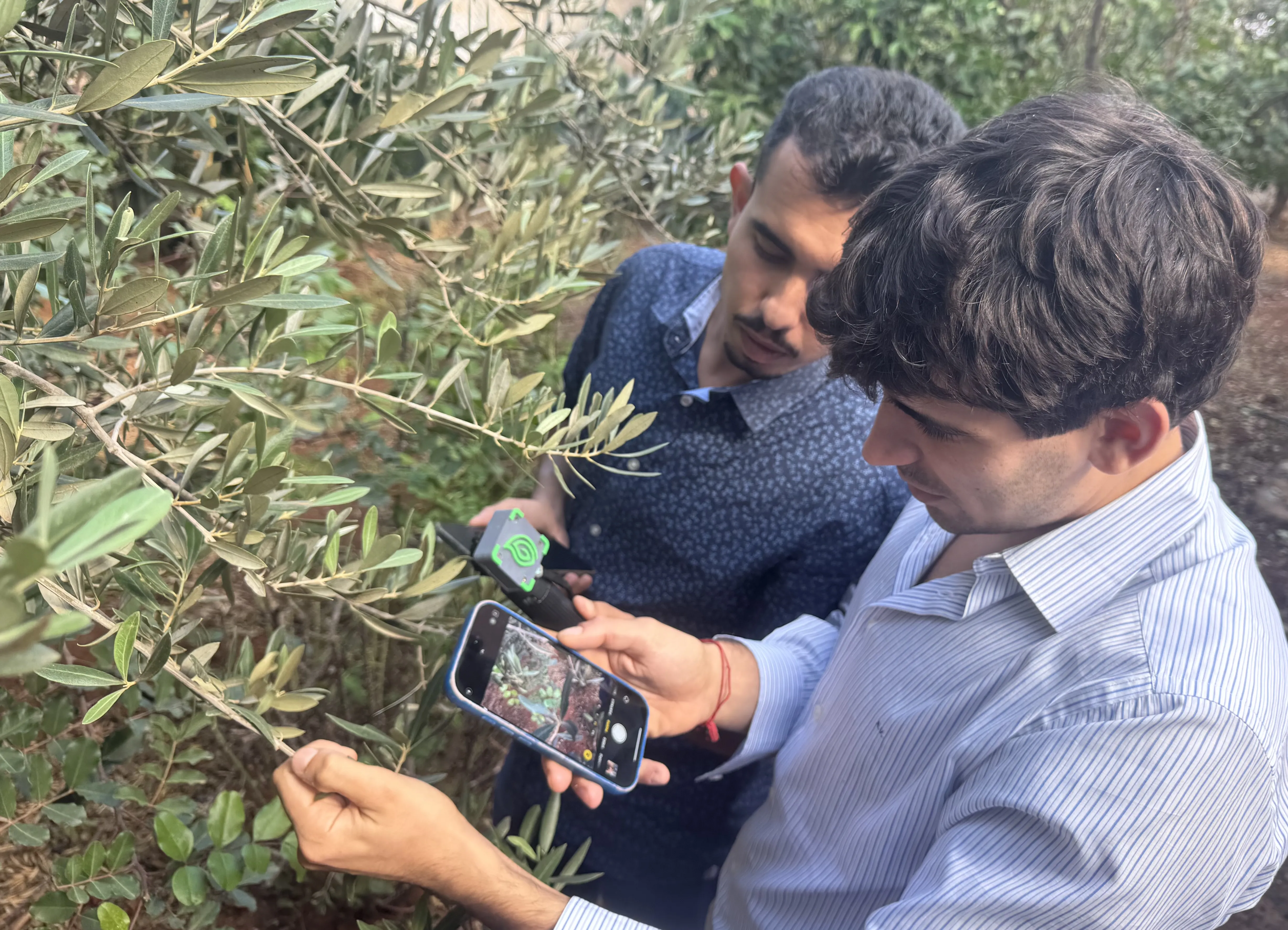
DeepLeaf: End-to-End Crop Health Management
Late and inaccurate detection of crop diseases, pests, and nutrient stress leads to $300B in annual global losses, with 40% crop losses in Africa and ...


FarmerChat: AI-Powered Agricultural Advisory for Inclusive Growth and Climate Resilience
Smallholder farmers produce a significant share of food in India and low- and middle-income countries, yet they face persistent barriers to productivi...
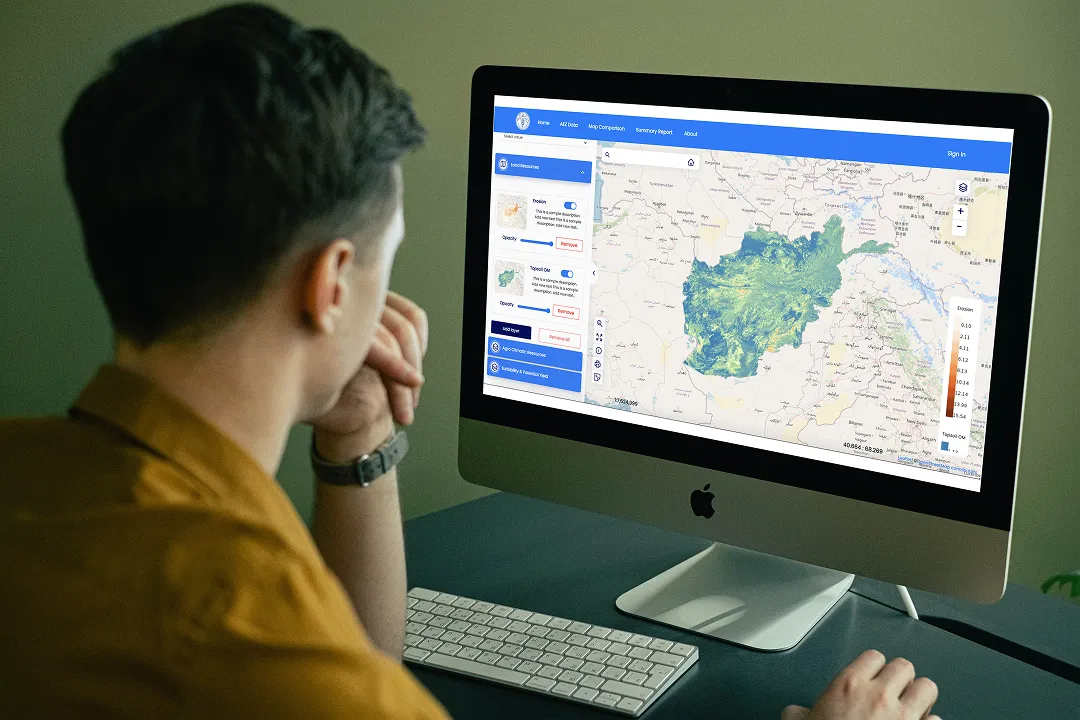
Rootcode FAO System: Advanced Raster Data Processing and Analysis System for Agricultural Decision-Making
Agricultural decision-makers and food security organisations face significant challenges in processing and analysing large-scale geospatial data for i...
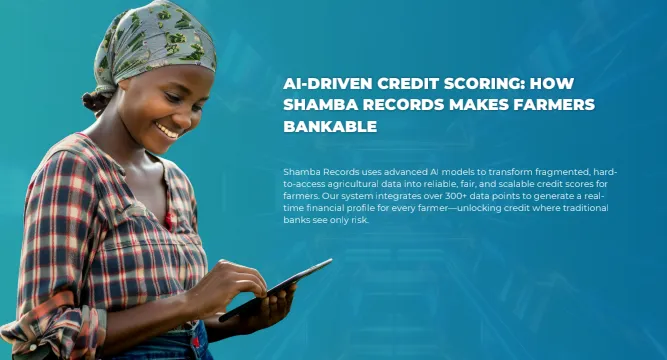
Shamba Records: AI-Powered Farmer Intelligence for Inclusive Credit, Advisory, and Climate-Resilient Agriculture
Across Africa, over 60% of the population depends on smallholder agriculture, yet more than 70% of smallholder farmers remain excluded from formal fin...

MahaVISTAAR: Connecting Smallholder Farmers with Digital Services
India’s agricultural ecosystem is characterised by fragmented service delivery, siloed digital platforms, and uneven access to timely, localised infor...
Education
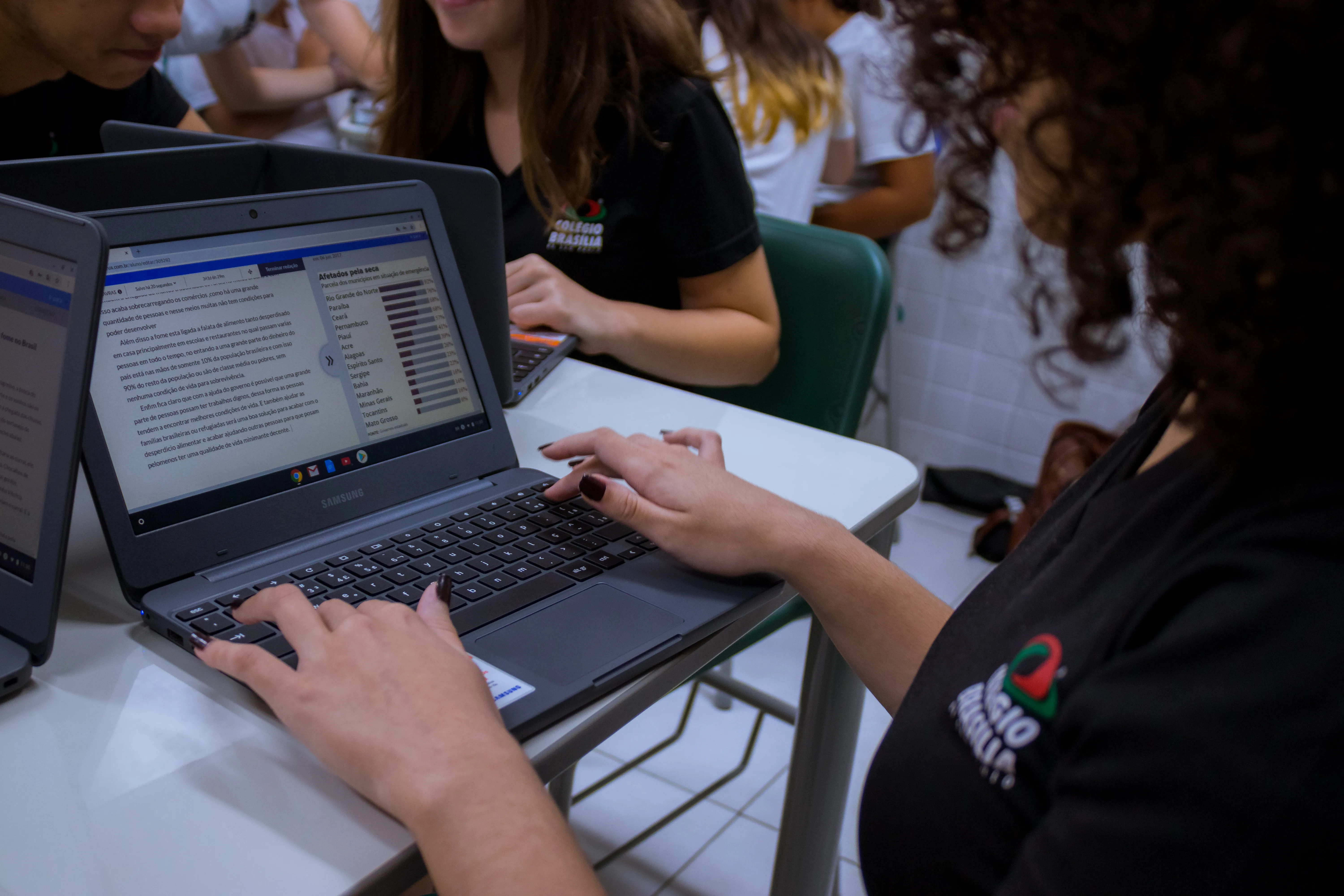
Letrus: AI-Powered Writing Feedback Platform for Public Schools
Public school students in Brazil face a persistent challenge in writing proficiency. Teachers in under-resourced classrooms lack time to provide indiv...

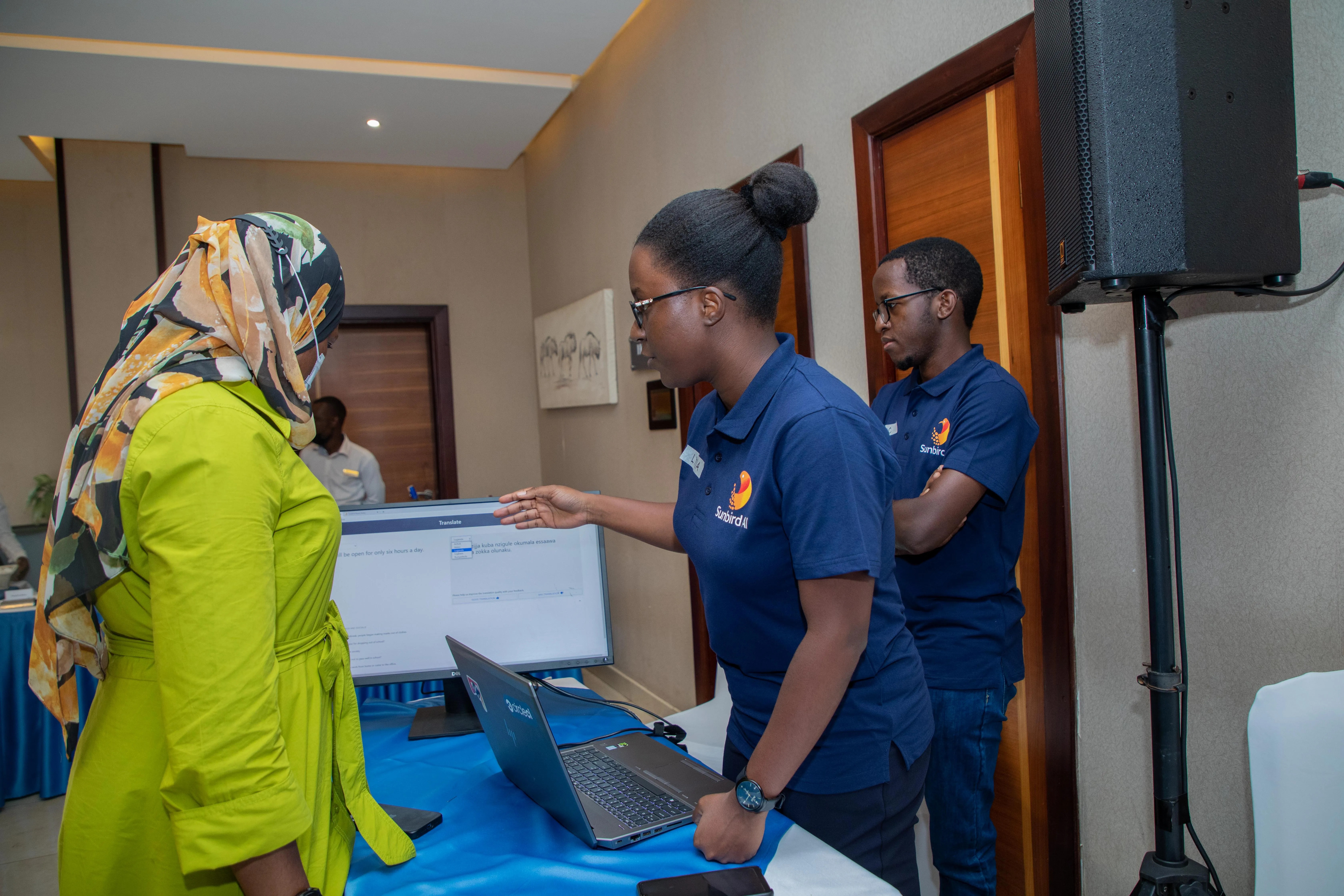
Sunbird African Language Technology (SALT): African Natural Language Processing for Inclusion and Empowerment
Current Global AI systems have a systemic "language data gap" that effectively excludes millions of African language speakers from the global digital ...

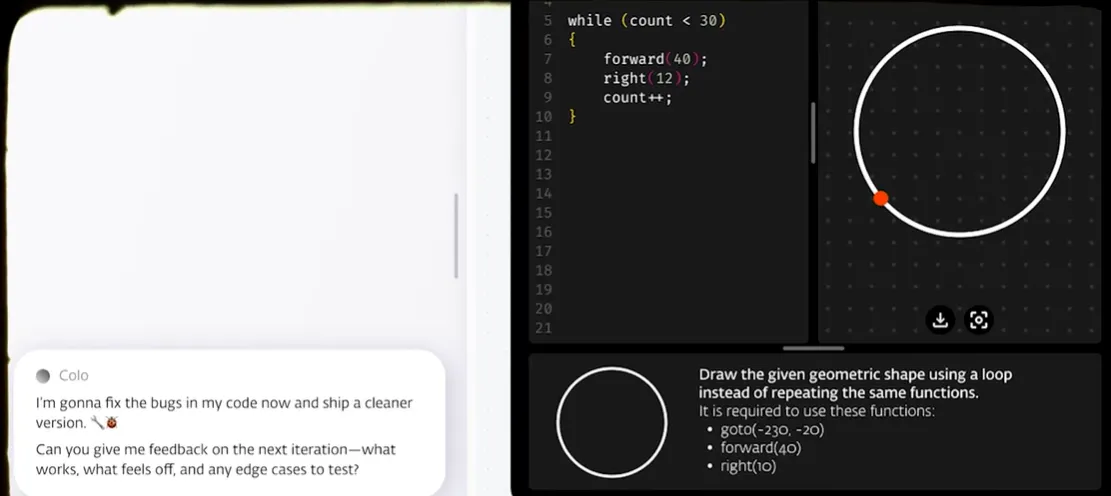
TUMO AI Co-Learner: Democratising Student Access to AI and Tech Skills
TUMO is empowering the next generation to lead the AI revolution by transforming the learning experience into a collaborative partnership. At the hear...

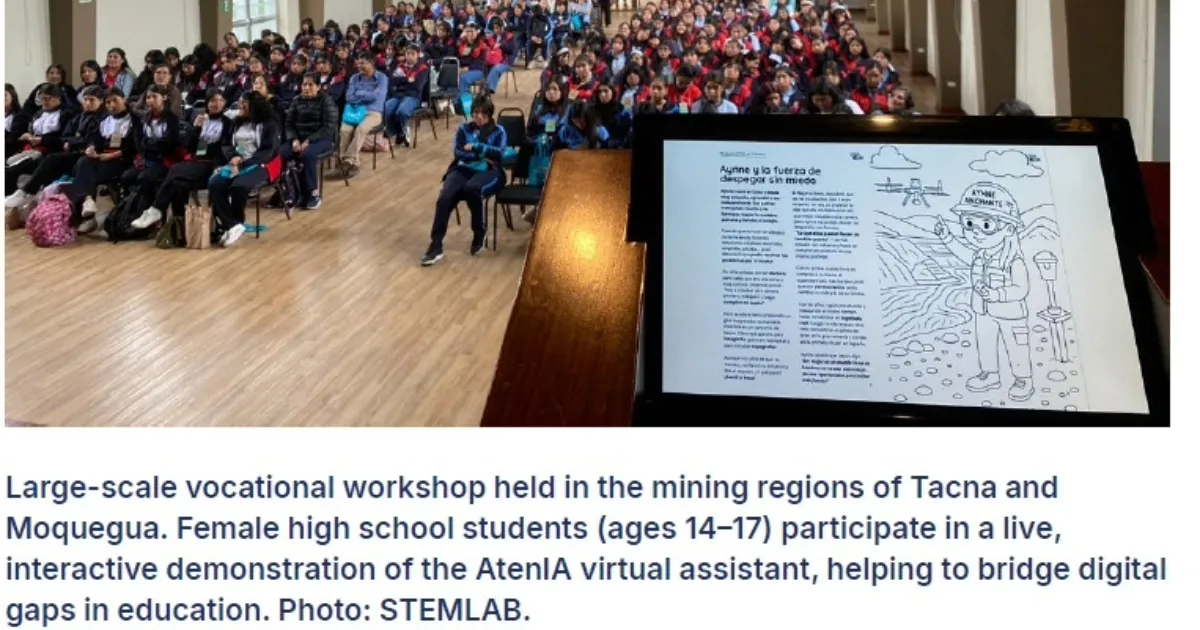
AtenIA: An AI-Assisted Interactive Mentorship Platform for STEM Education
In Peru, despite economically vital sectors driving national development, a significant gender gap persists in STEM fields. Gender stereotypes take ro...


Alphakhoj: NeuroAI-Powered Multilingual Literacy Platform for Inclusive Learning
India’s foundational literacy crisis disproportionately affects neurodiverse children, particularly those with Specific Learning Disabilities (SLDs) s...
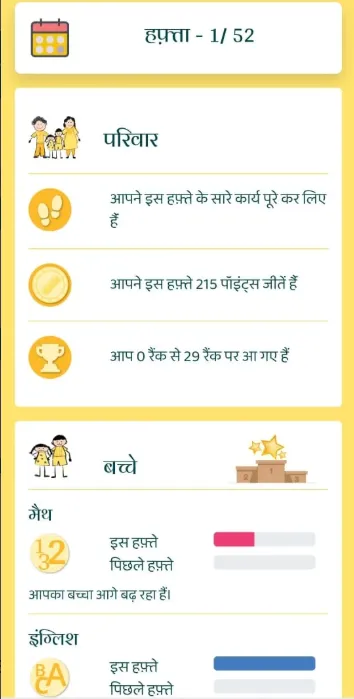
Top Parent App: AI-Powered Parent Engagement for Foundational Learning
India faces persistent foundational literacy and numeracy gaps that begin early, compounded by limited caregiver capacity to support learning at home,...

Amira Learning: An AI-Powered Oral Reading Tutor for Low-Resource Education Settings
Foundational literacy remains a global challenge, particularly in low-resource systems where large class sizes, limited teacher capacity, and infrastr...
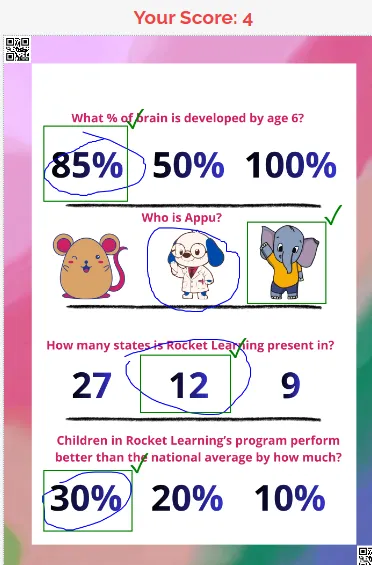
Rocket Learning: Scaling AI-Powered Personalised Learning for 4 Million Children in Rural India
In India’s early childhood education ecosystem, millions of children aged 3–6 receive worksheets through home-based learning models but lack immediate...
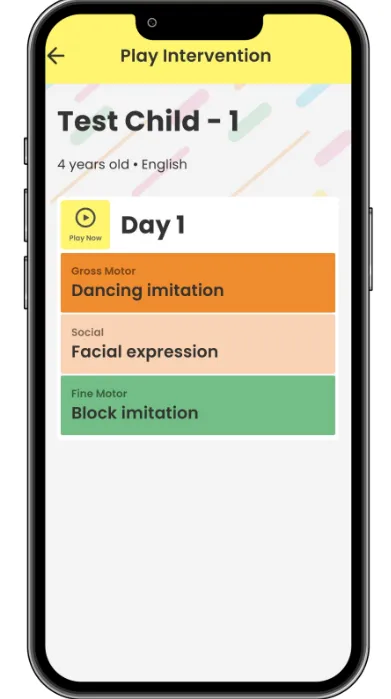
Digital Developmental Screening: AI Tools for Advancing Inclusive Education from the Early Ages in ASEAN
Across Malaysia and ASEAN, developmental screening typically ends at 18-24 months through vaccination check-ups, leaving children aged 2-6 without rou...

The Duolingo English Test (DET): Digitally Expanding Equitable Access to Assessments in India
Assessments are gateways to education, professional qualifications, and employment, with English proficiency tests often serving as prerequisites for ...
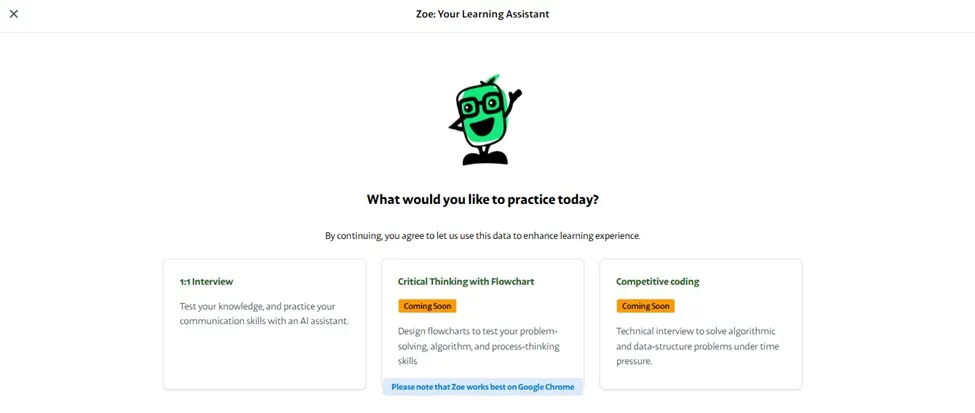
Voice-First AI Infrastructure: Democratising Access for India’s Non-Text-Literate Populations
400+ million Indians face systemic exclusion from AI-powered learning due to three compounding barriers. First, economic barriers - commercial speech ...
TAP Buddy: AI-Enabled Assessment and Personalised Adaptive Learning System
Students in India’s public schools, especially those from low-income households, are entering a labor market where analytical thinking, problem-solvin...
Vinoba: AI-Platform for Reducing Teacher Workload and Improving Instructional Quality
India faces a persistent learning crisis. While 95 percent of primary school-aged children are enrolled, most perform poorly when evaluated for age-ad...

NClude: AI-Powered Career Discovery, Inclusive Learning, and Task Automation for Persons with Disabilities
Persons with disabilities face compounding barriers in accessing education, employment, and public services due to inaccessible digital content, lack ...
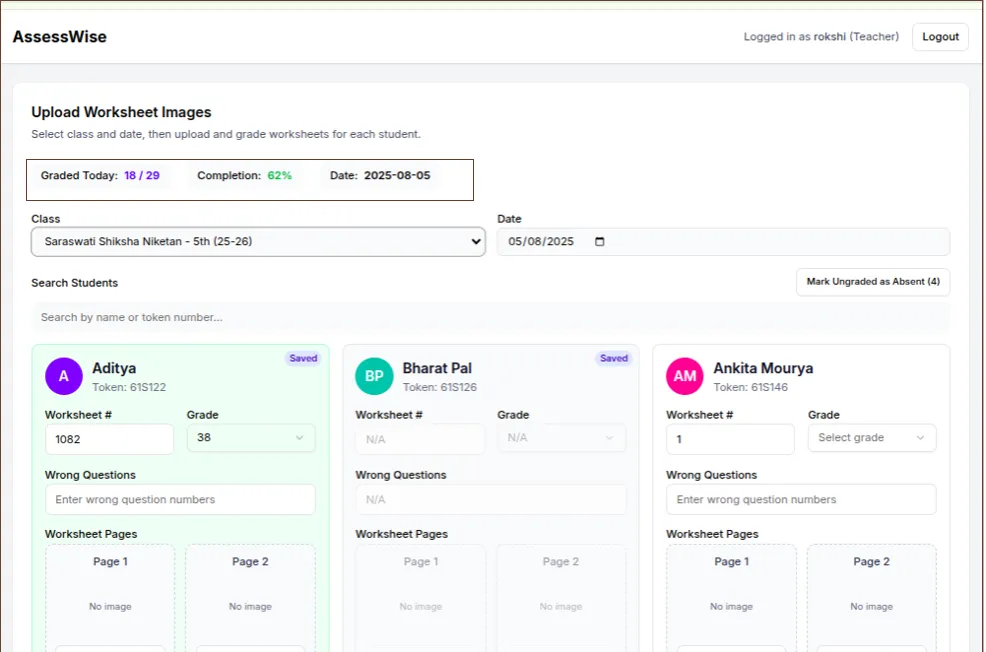
Saarthi: LLM-Based Automated Grading and Personalised Feedback for Foundational Numeracy in Offline Classrooms
Foundational numeracy learning in India is constrained by a critical feedback gap. In classrooms with high pupil–teacher ratios, teachers are unable t...

Ekatra: AI-Powered Personalised Learning on WhatsApp for Underserved Communities
Ekatra addresses the global learning crisis affecting 258 million out-of-school children and millions more with inadequate quality education. Traditio...
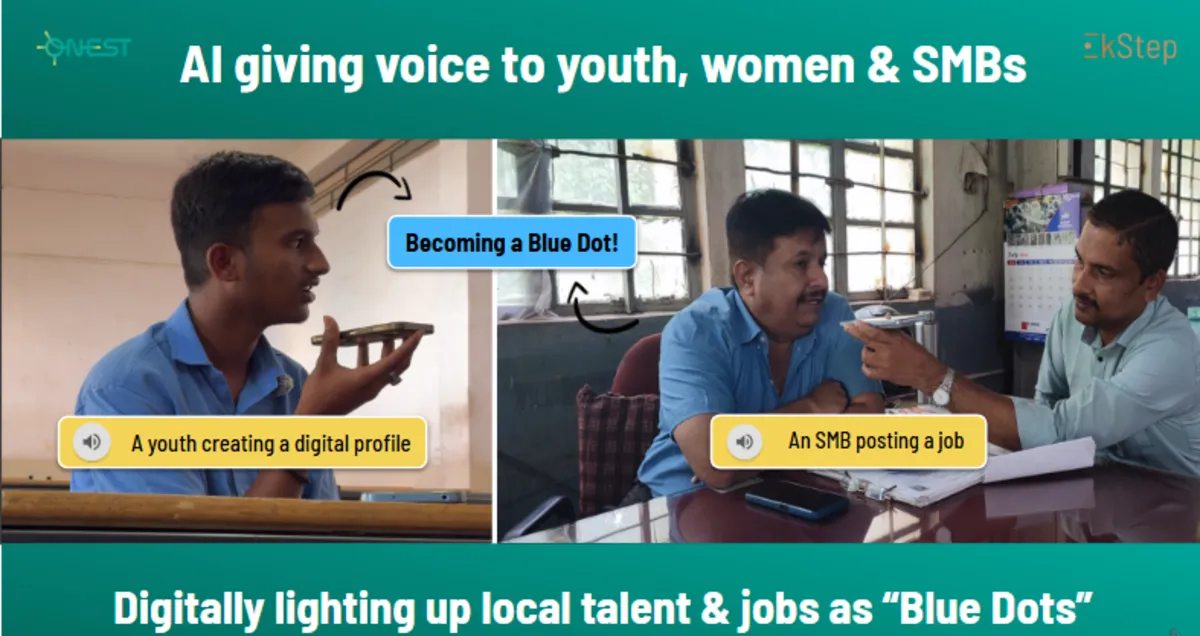
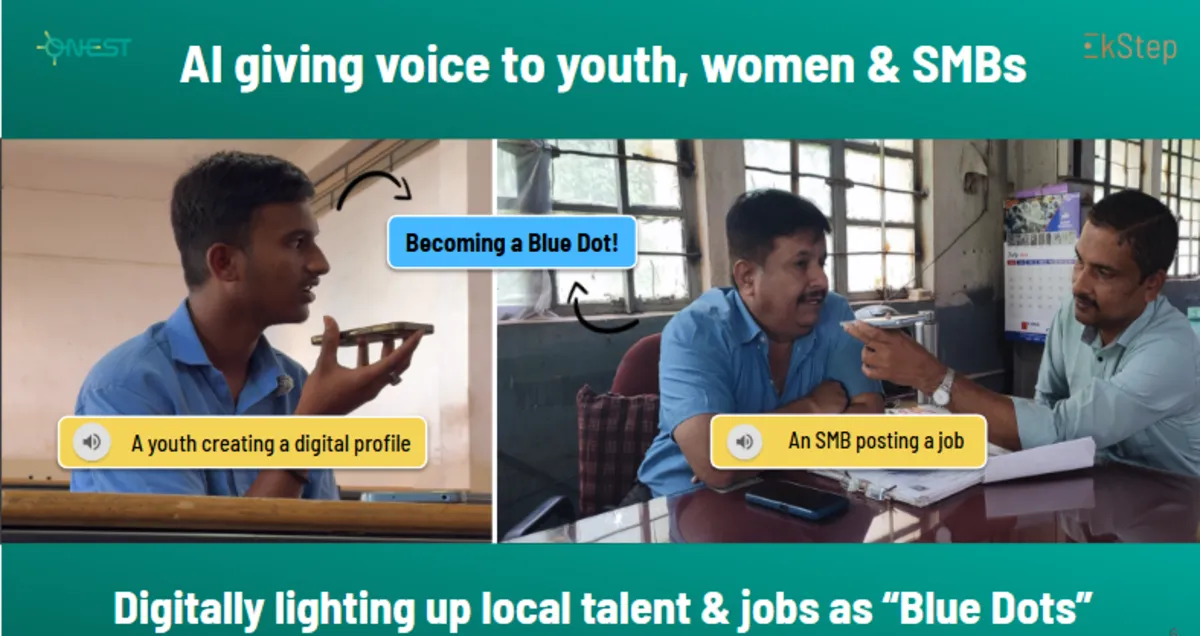
Blue Dot: Hyperlocal Skilling and Employment Matching
Local labour markets remain fragmented and opaque, with trained candidates and job opportunities largely undiscoverable to one another. Employers, esp...
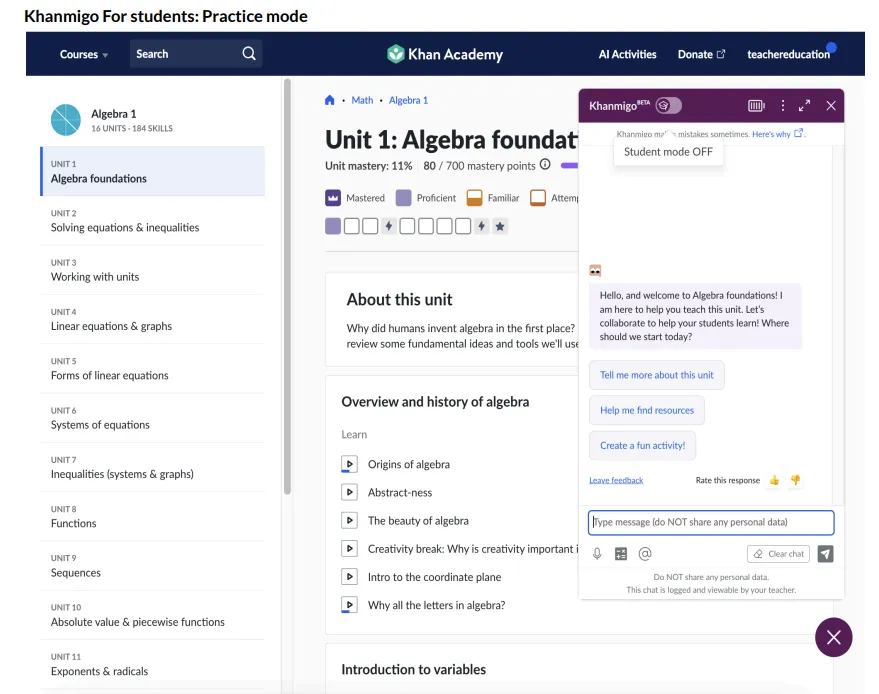
Khanmigo: AI to Augment Teaching and Student Learning
Despite a clear understanding of what effective learning entails, most classrooms in India and across the Global South struggle to deliver it. ASER 20...

AXL: Assisted Language and Math Learning
Many primary school students struggle with foundational literacy and numeracy due to varied learning levels, resource constraints, and limited persona...
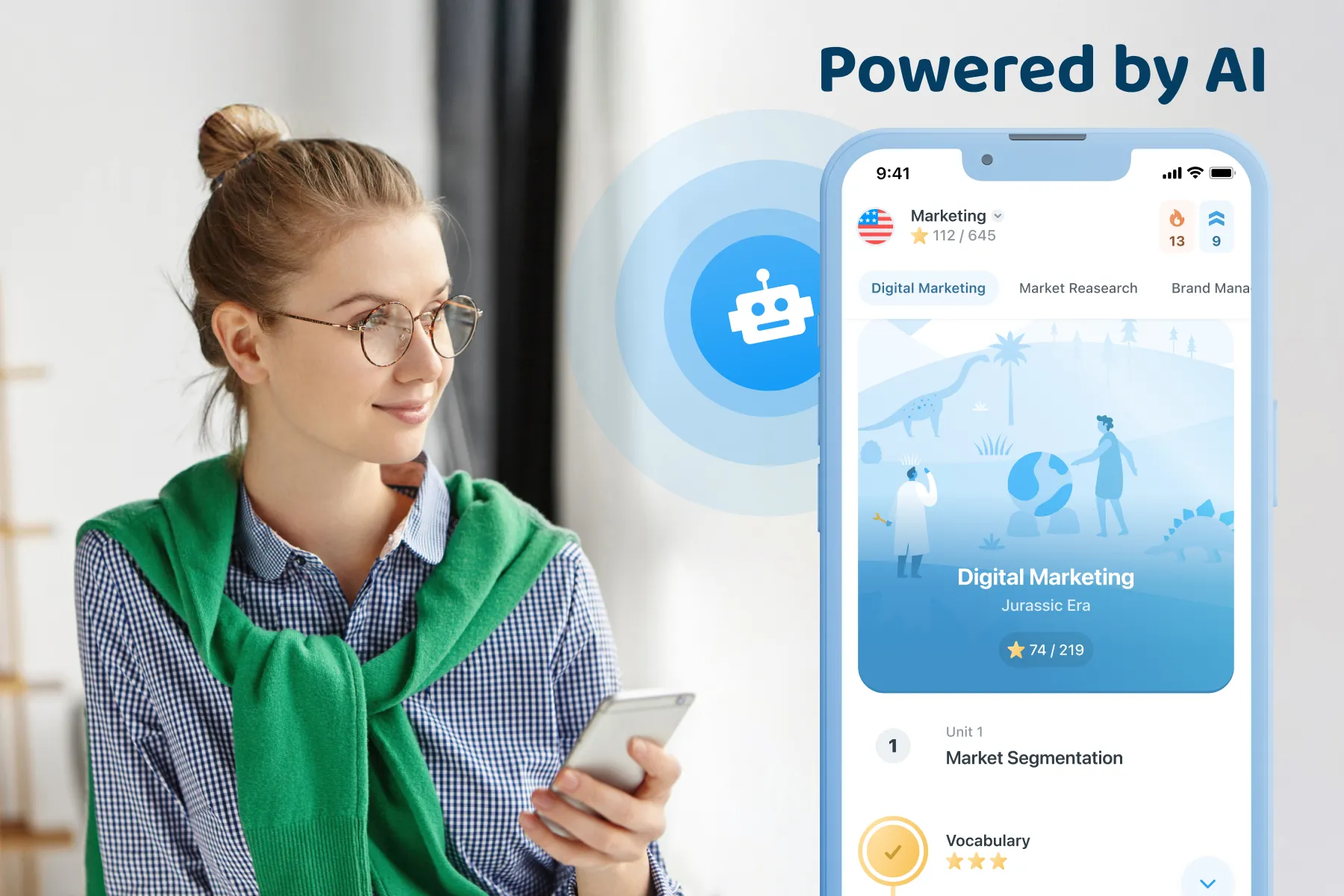
Xeropan: AI-Powered Language Learning
Language learners often have limited access to realistic speaking practice, especially in structured learning environments where time constraints and ...

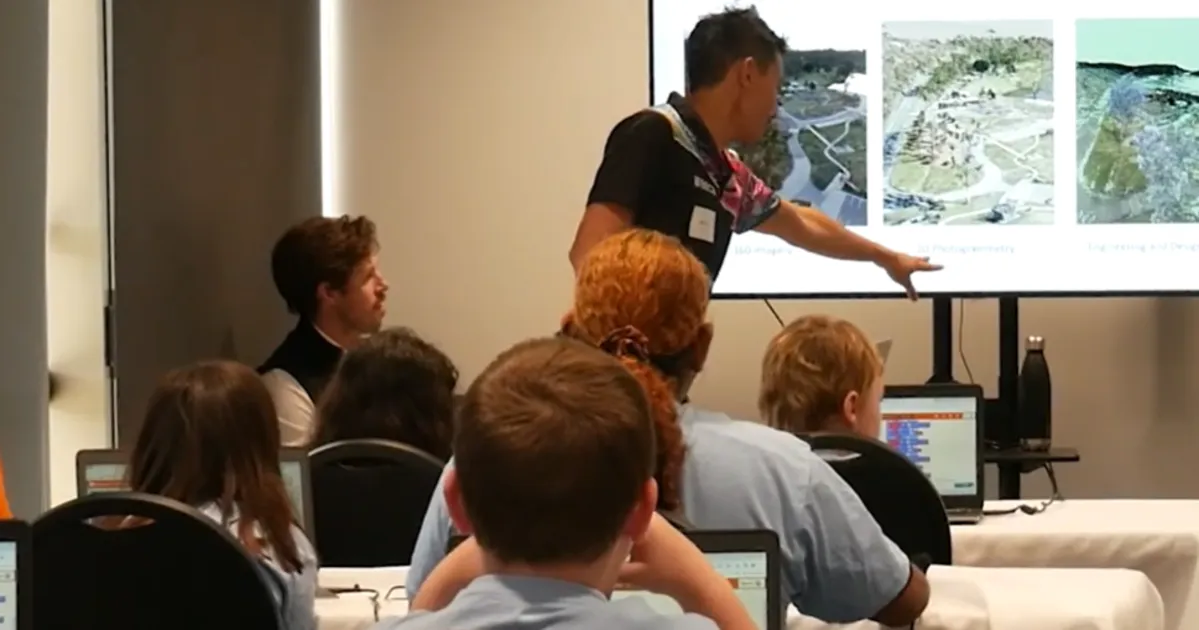
Deadly Coders: AI and Digital Skills Initiative for First Nations Australians
First Nations Australians remain significantly underrepresented in Tech and STEM due to limited access to digital education and pathways into technolo...

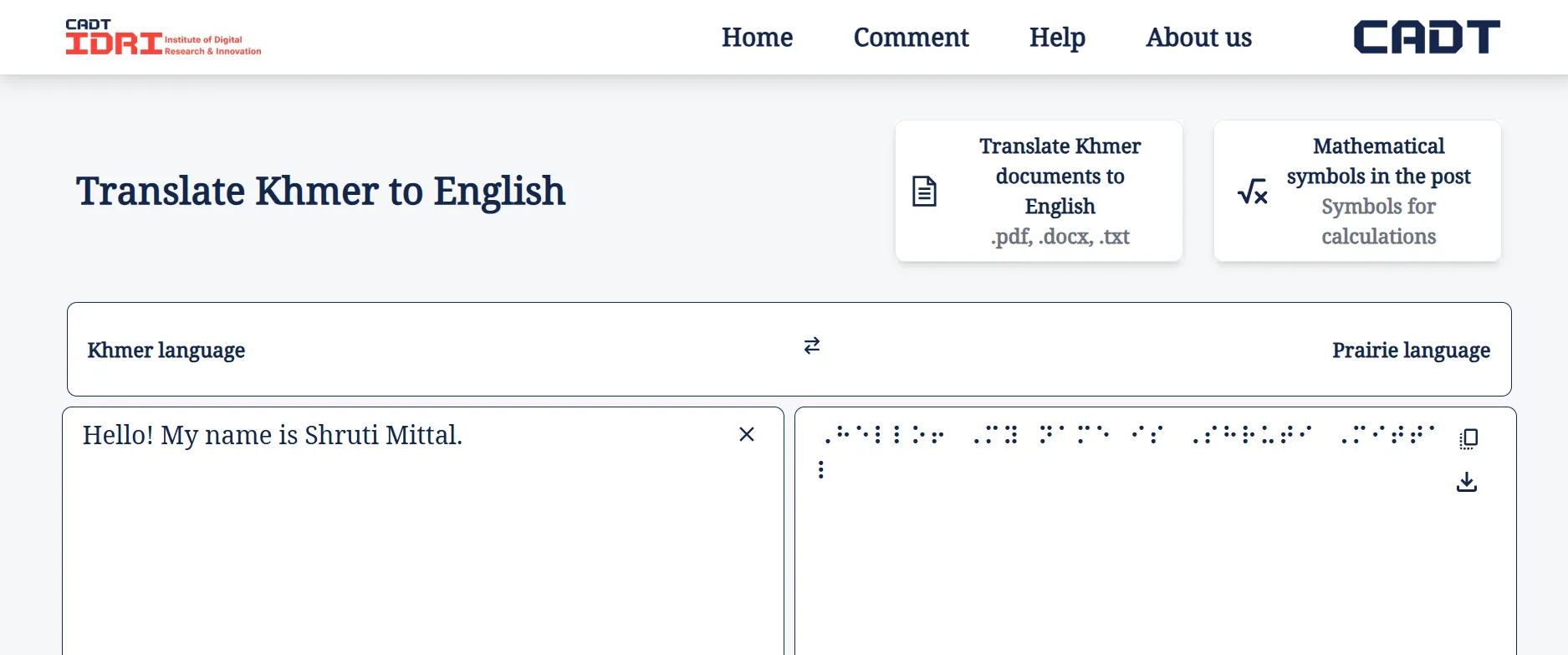
Khmer Braille Translator: Automated Text to Braille Translation System
Visually impaired people in Cambodia face significant challenges in accessing written content in the Khmer language due to the lack of automated Brail...

Environment
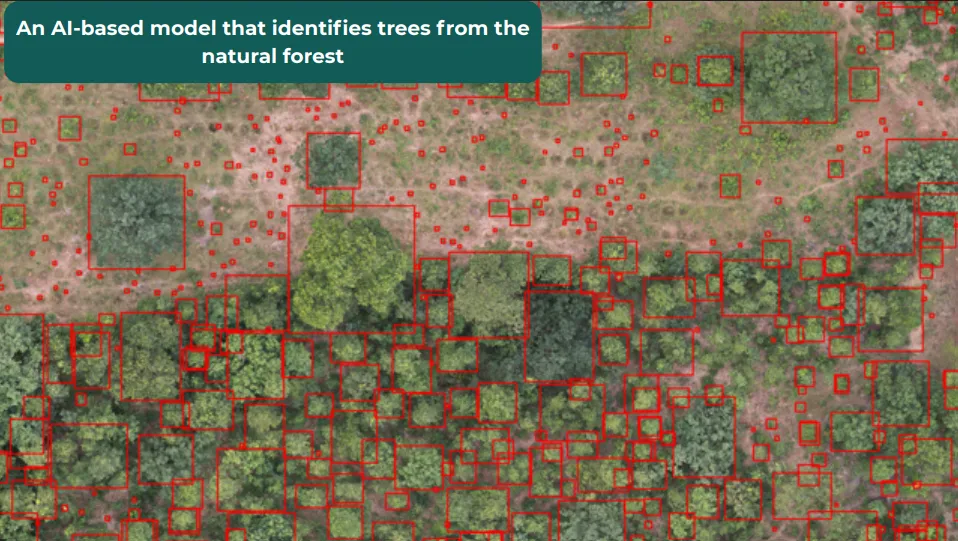
Farmers for Forests: AI-Powered MRV for Smallholder Agroforestry Carbon Verification
Agroforestry and trees outside forests (AF-TOF) are increasingly recognised as vital for climate resilience, soil restoration, and rural livelihoods i...
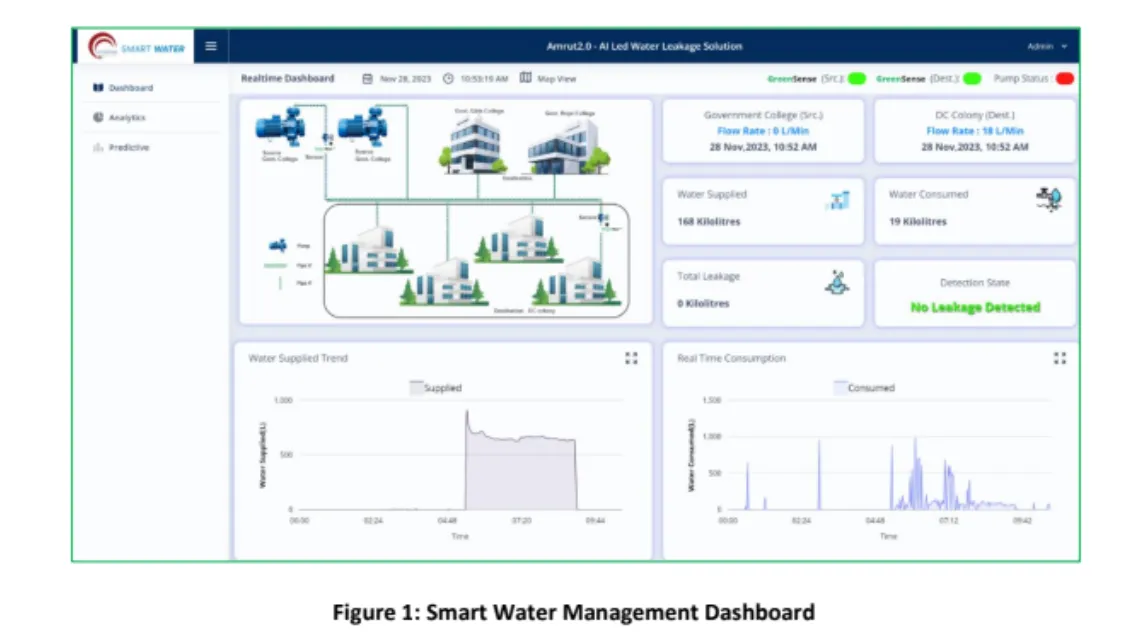
GreenOps: AI-Based Smart Water Management
Almost 10% of the population in India lacks access to safe and potable water. Even though efforts are being made to provide drinking water to househol...

Zodhya's SaverX and Soul: AI-Powered Energy Optimisation Solution
Commercial buildings face significant energy inefficiency because HVAC systems are designed to handle peak conditions but operate under partial load m...

Google Maps Routing Solution: AI-Powered Fuel-Efficient Navigation for Sustainable Transportation
For years, navigation technology has focused on time efficiency, often not accounting for the energy cost of stop-and-go traffic, steep inclines, and ...


DeJoule: AI-Powered Building Management System for Real-Time Hospital Cooling Optimisation
Commercial buildings in India, especially hospitals, consume a lot of energy, with cooling systems using nearly 30% of a building’s electricity. Hospi...

Solvyn AURA: AI-Driven Energy Management Solution
Renewable energy operations are fragmented, with forecasting, plant control, and commercial trading handled separately by different teams and tools, w...

BIOLOOP: AI-Powered Real-Time Monitoring and Control System for Algal Biorefineries
Algal biofuel and hydrogen production faces critical instability due to biological variability in living microorganisms. Small changes in temperature,...
Financial Inclusion
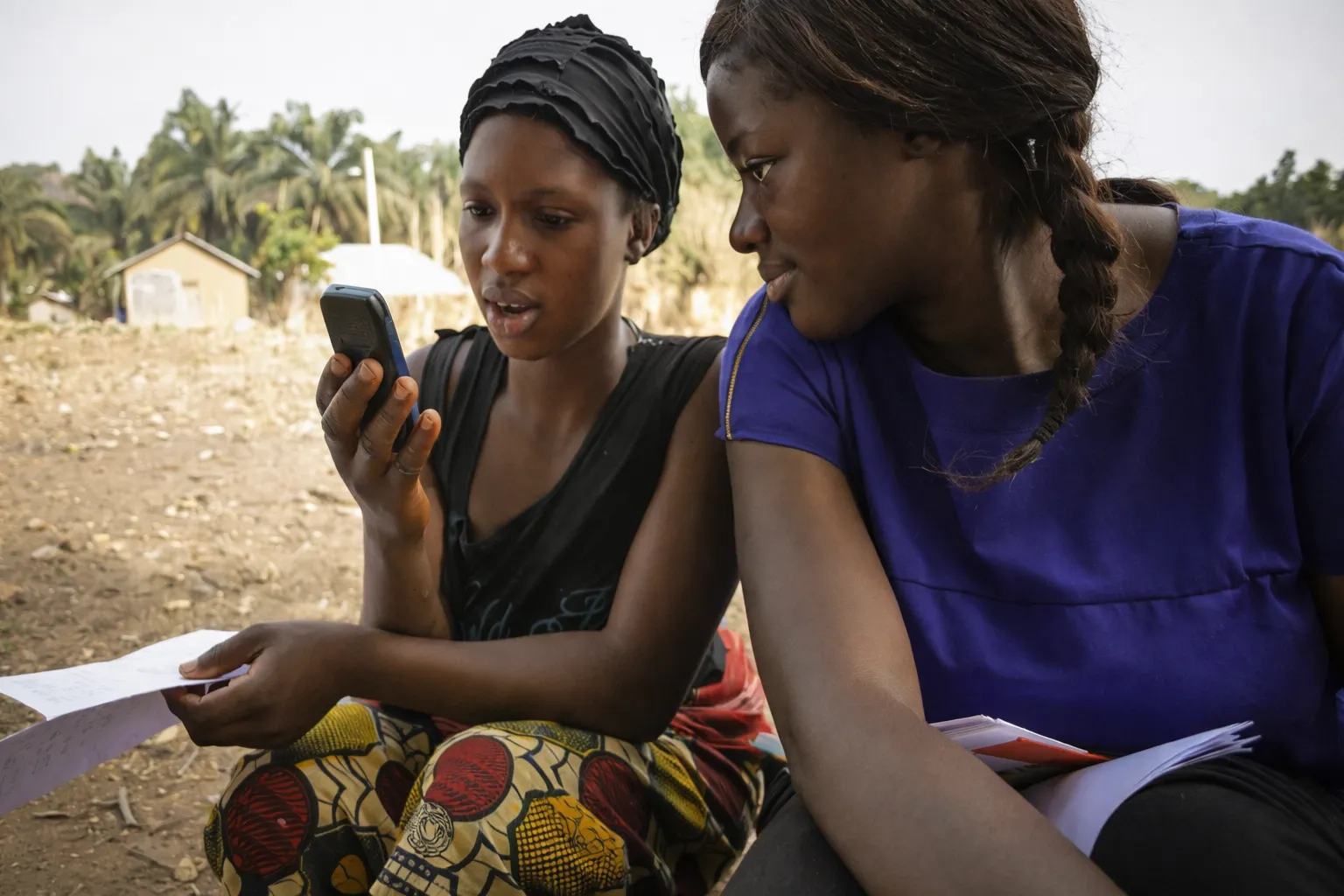
Novissi Togo: ML and Phone Data to Deliver Shock-Responsive Social Protection
The COVID-19 crisis disrupted livelihoods in Togo, particularly for informal sector workers who lack social protection coverage. Traditional social sa...

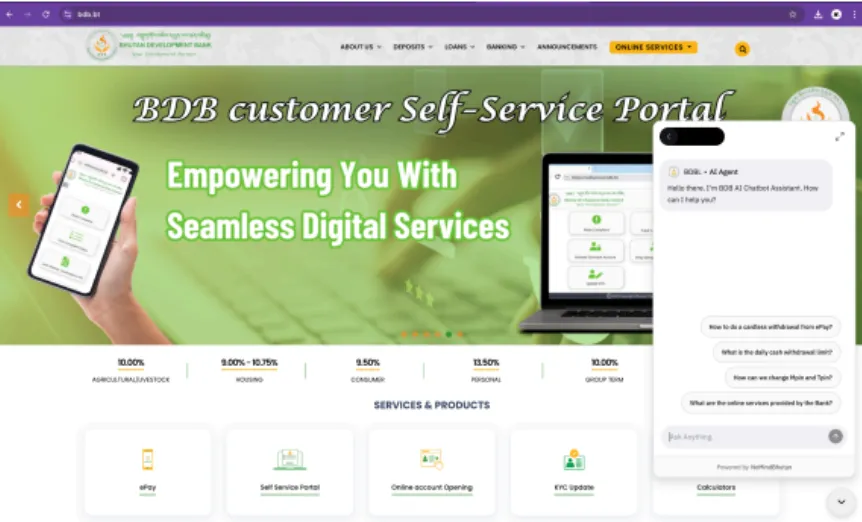
NoMind: AI Agents and Assistant for Digital Banking, Government Services, and Airline Customer Support
Banks, government institutions, and airlines increasingly rely on digital channels to deliver essential services, yet many continue to operate on lega...

Healthcare

Topological Data Analysis: AI-Enabled Delirium Detection Using Portable EEG
Delirium is one of the most common, dangerous, and underdiagnosed conditions affecting hospitalised older adults worldwide. In routine clinical practi...

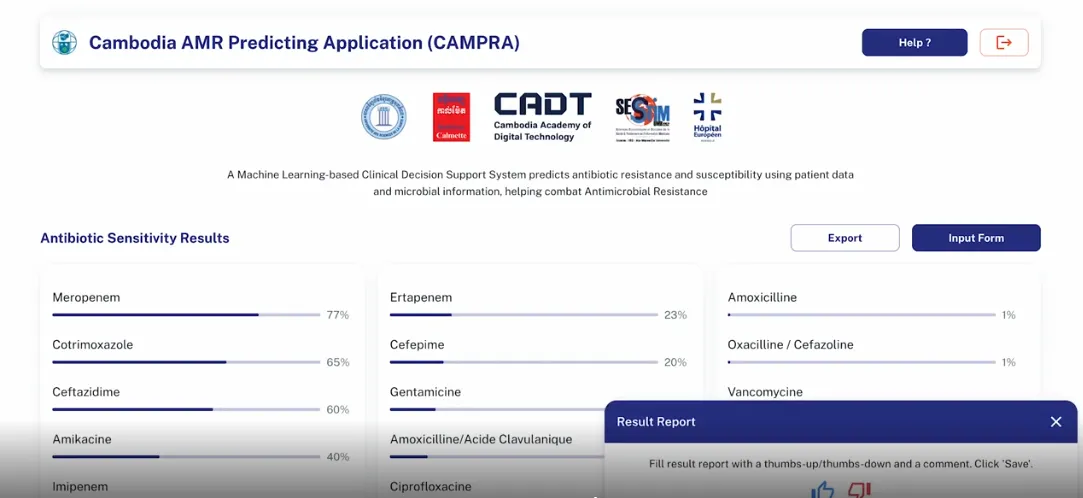
CAMPRA: Cambodia Antimicrobial Resistance (AMR) Predicting Application
Antimicrobial resistance (AMR) is a growing public health challenge in Cambodia, driven in part by the inappropriate and delayed use of antibiotics. H...

PROMPTS: AI-Enabled Two-Way Messaging to Support Maternal and Newborn Health
Maternal and newborn mortality in low- and middle-income countries remains unacceptably high, largely due to delays in care-seeking, limited access to...
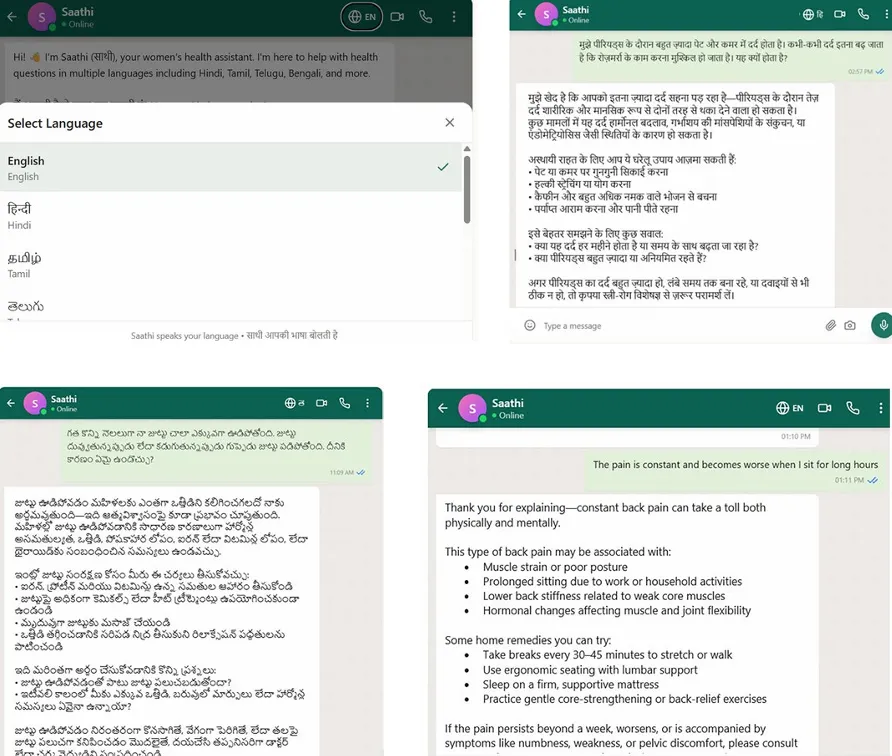
Project Saathi: Scalable AI for Gender-Responsive Health
Women in the Global South face systemic barriers to healthcare access, where their needs are deprioritised due to unpaid care responsibilities, limite...
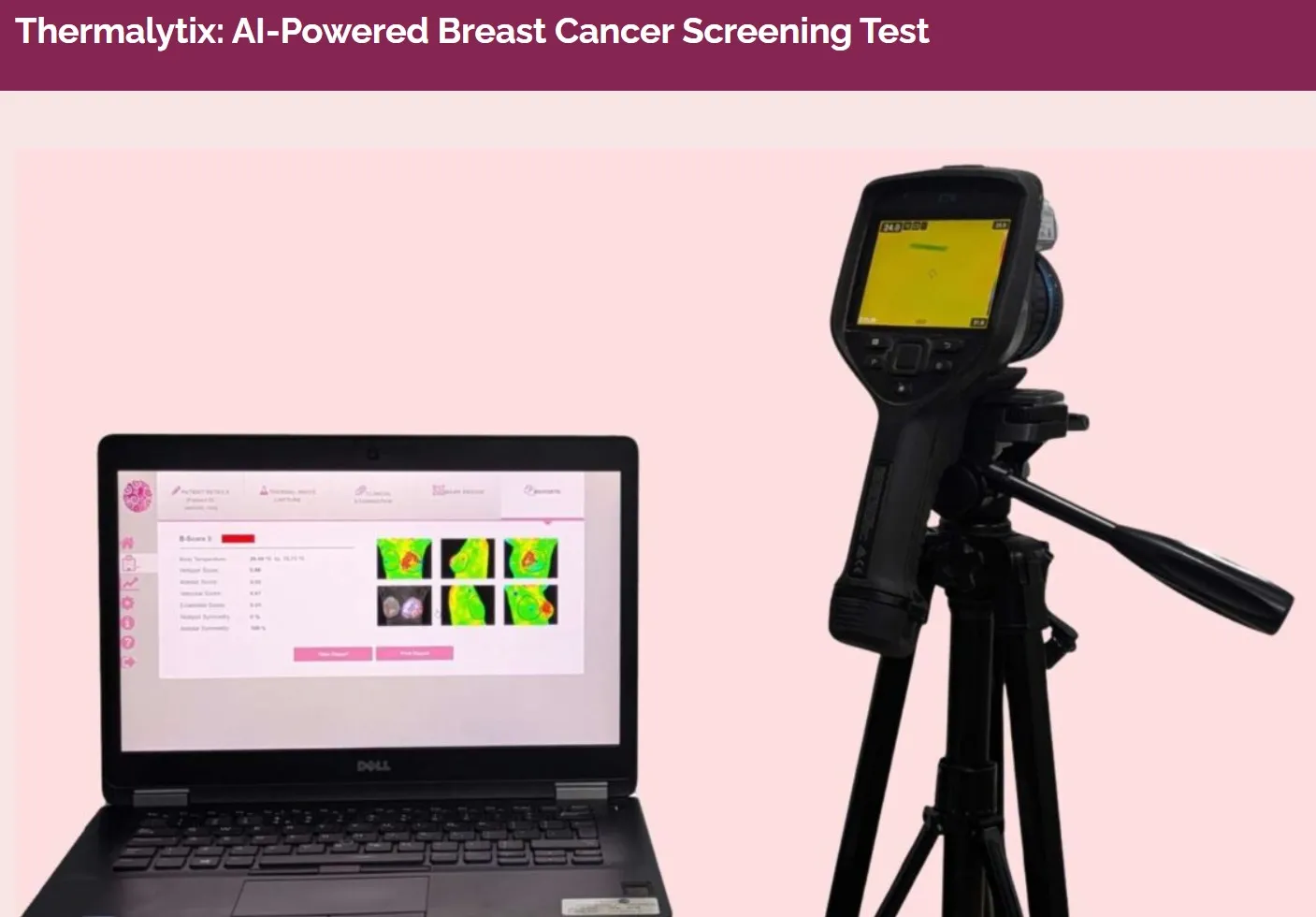
Thermalytix: Privacy-Preserving AI for Breast Cancer Screening
Breast cancer is a leading cause of cancer mortality among women in the Global South, largely due to late-stage detection driven by socio-cultural bar...

Alipay-Ant Group AI Assistant: Medical Large Models Enhancing Healthcare Experience and Health Status
Patient experience is compromised due to the gap between supply and demand for medical resources. Complex administrative workflows limit doctors' clin...


NeuroDrishti: AI Smart Glasses Enhancing Independence of Persons with Visual Impairments
Individuals with visual impairments often encounter difficulties in reading printed and handwritten text, navigating unfamiliar environments, understa...

CerviScanner: AI-Assisted Cervical Cancer Screening to Bridge the Diagnostic Divide in Africa
Cervical cancer remains highly preventable, yet 94% of deaths occur in low- and middle-income countries where screening quality is constrained by infr...

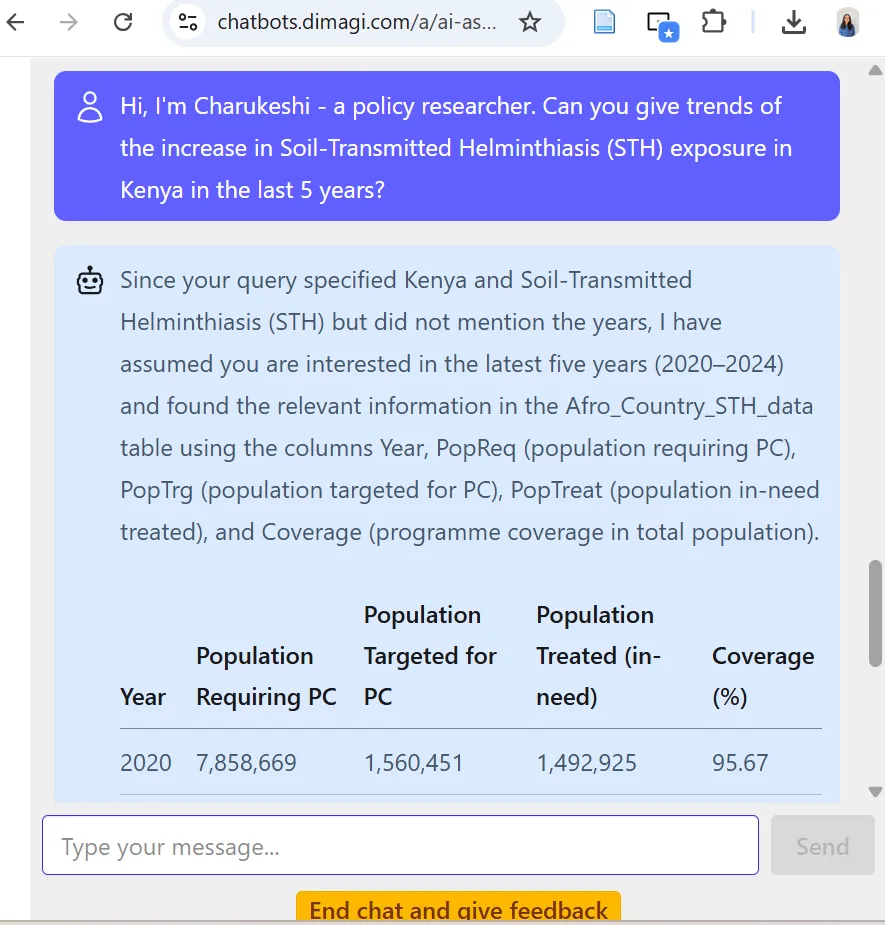
Dimagi's Gen AI Assistant: Reducing Friction in NTD Data Repositories
The WHO AFRO ESPEN Portal serves as the central knowledge and data platform for 48 NTD-endemic countries in the African region, hosting over 11.6 mill...

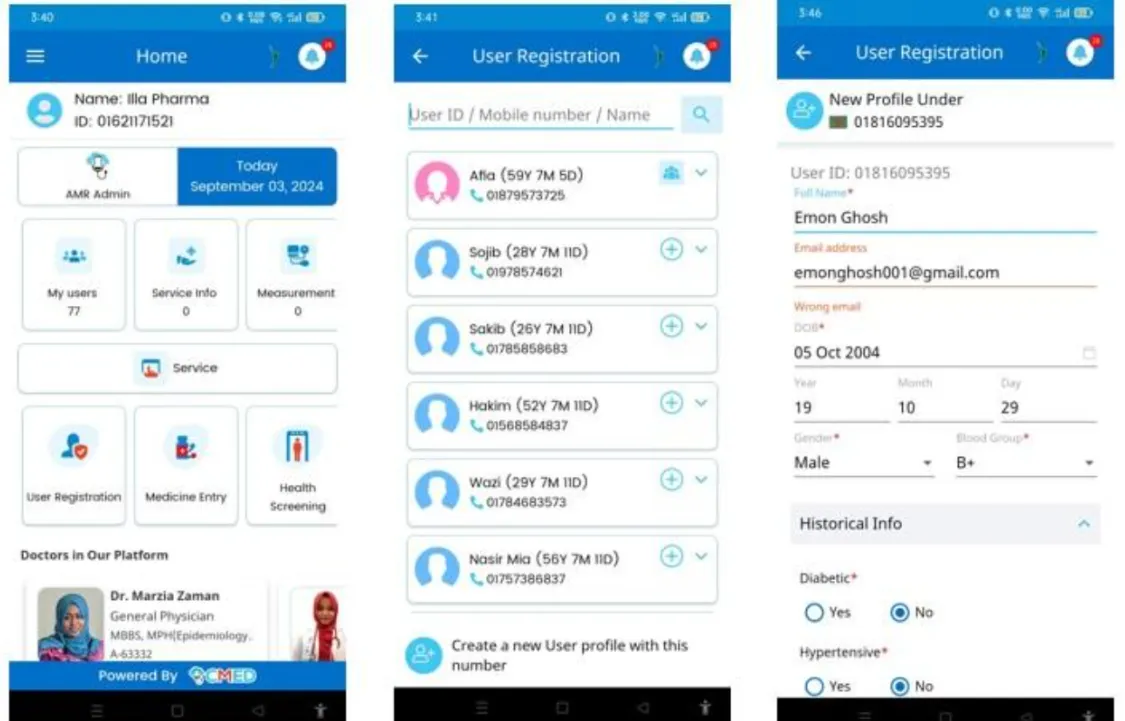
CMED: AI-Driven Digital Stewardship System to Reduce Irrational Antibiotic Dispensing in Community Pharmacies
Antimicrobial Resistance (AMR) in Bangladesh is accelerating due to widespread irrational antibiotic dispensing, self-medication, and lack of prescrip...


Nayanamritham 2.0: AI-Assisted Chronic Eye Disease Screening Initiative
India bears a disproportionate share of the global burden of visual impairment, with an estimated 8 million blind individuals and over 60 million peop...
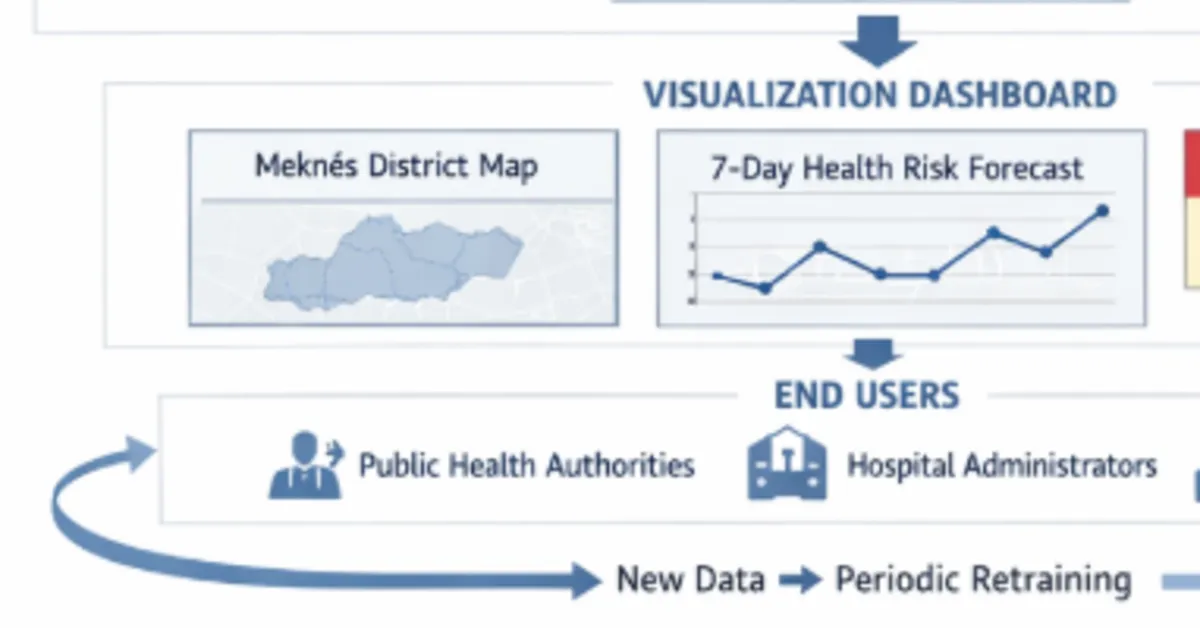
OCT7 Intelligence System Framework: AI-Driven Environmental Health Risk Prediction in Urban Morocco
Urban environments in the Global South are increasingly exposed to environmental health risks driven by air pollution, heatwaves, and rapid urbanisati...
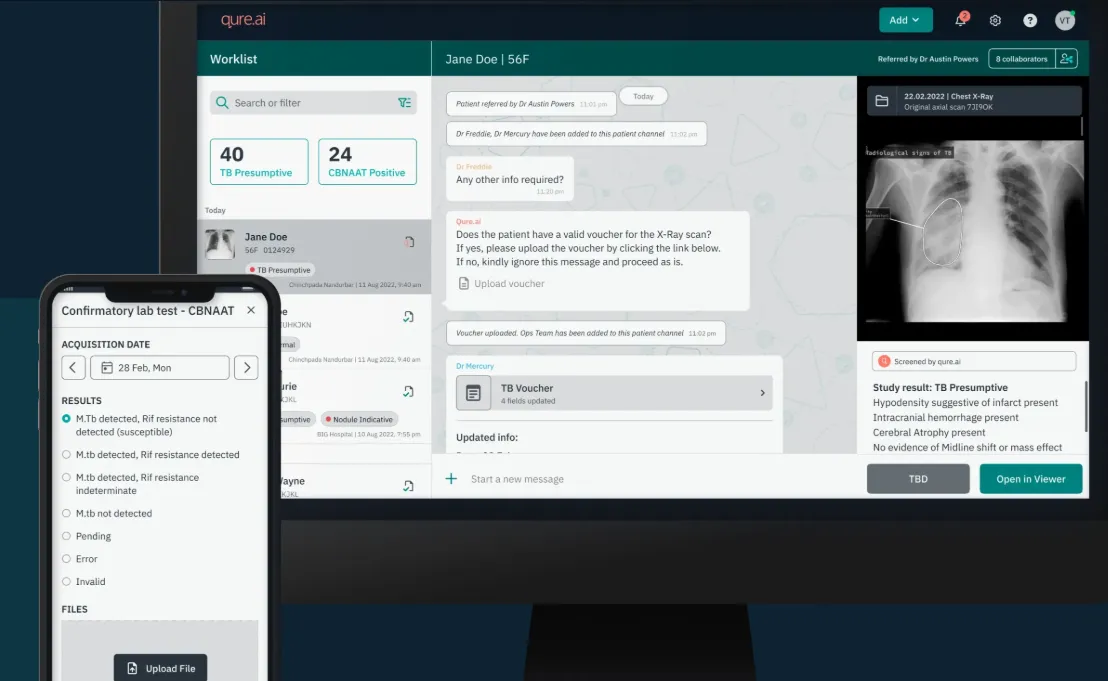
Qure.ai: AI-Assisted Tuberculosis Screening
Tuberculosis (TB) remains under-detected in many low-resource settings, particularly among asymptomatic or hard-to-reach populations. Conventional sym...
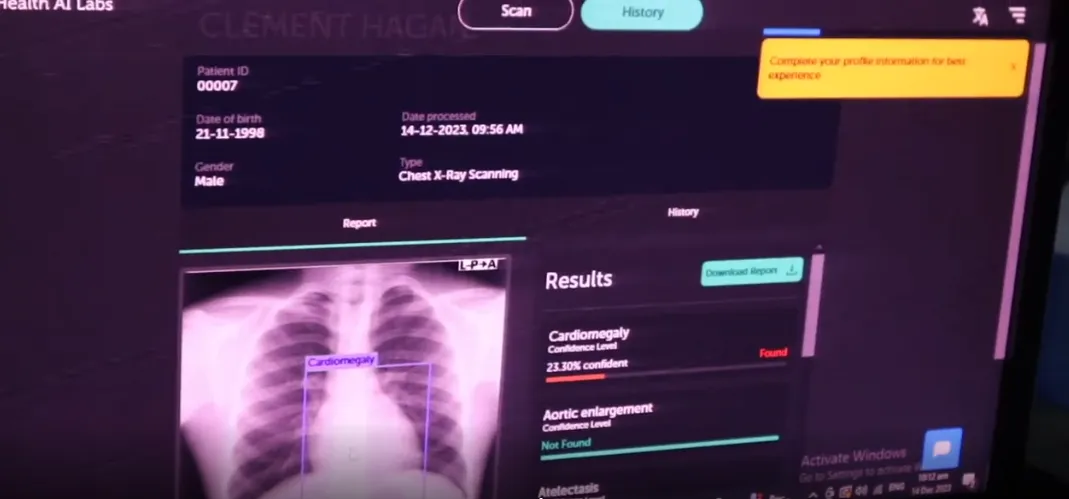
MinoHealth: Scaling Up Generative AI for Clinical Decision Support and Diagnostic Imaging
Africa’s healthcare system faces critical challenges, primarily driven by severe shortages of healthcare professionals and diagnostic services. In Gha...

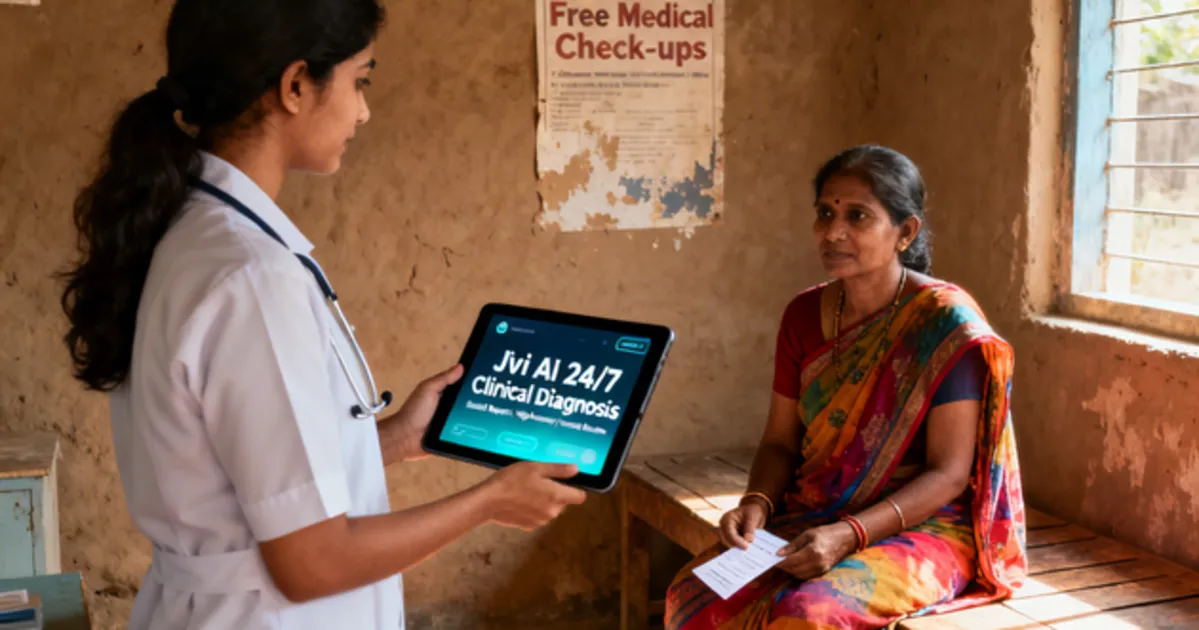
Jivi MedX: AI-Powered Clinical Diagnosis and Healthcare Platform
Access to quality healthcare remains limited globally, with significant barriers including cost, availability of specialists, and geographic constrain...

Fetosense: AI-Assisted Fetal Monitoring for Early Risk Detection in Low-Resource Maternal Healthcare Settings
In many rural and resource-constrained healthcare systems, access to specialised fetal monitoring and expert cardiotocography (CTG) interpretation is ...
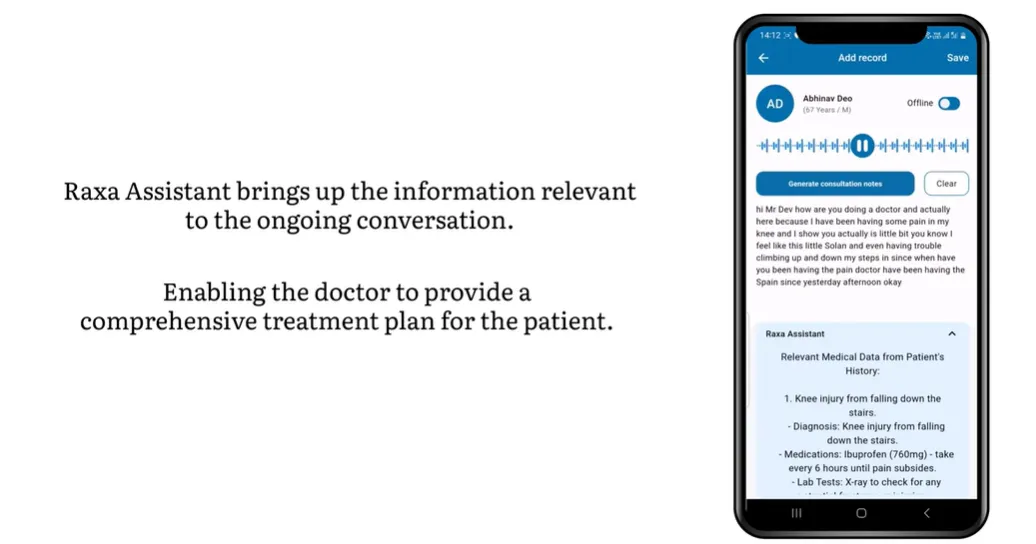
Raxa Health: AI-Native Clinical Documentation and Personal Health Assistant
The primary challenge in scaling quality healthcare across India is the "Information Bottleneck" and "Documentation Burden" that creates a disconnect ...

MomConnect: AI Maternal Health Messaging
Maternal and child health outcomes in South Africa remain undermined by gaps in access to timely health information and support, particularly among wo...

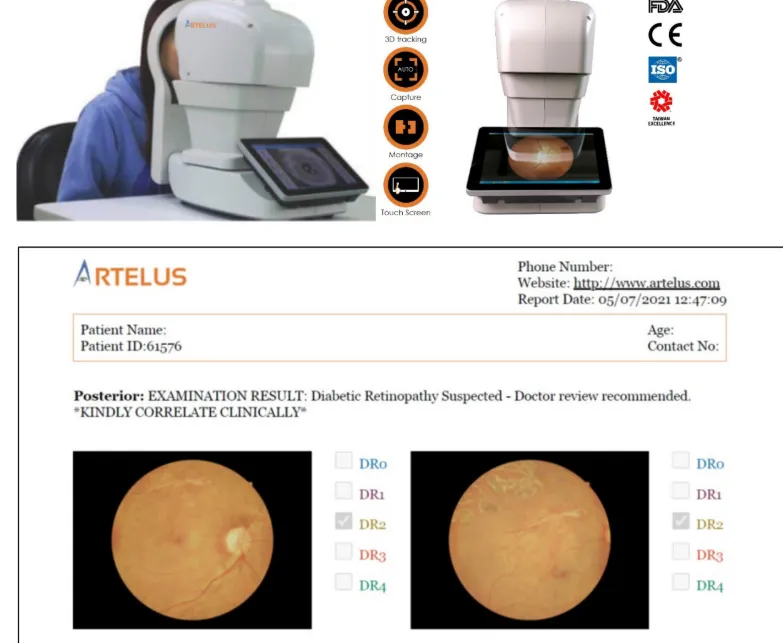
Artelus: AI-Powered Retinal Abnormality Screening Tool
Despite significant advances in retinal imaging and treatment, avoidable blindness remains a growing public health challenge in India and other low- a...

Vision Nanny: AI-Powered Digital Therapy Platform for Children with Brain-based Visual Impairment (CVI)
Cerebral Visual Impairment (CVI) affects 36 million children globally and is the leading cause of childhood visual impairment. Unlike eye conditions, ...
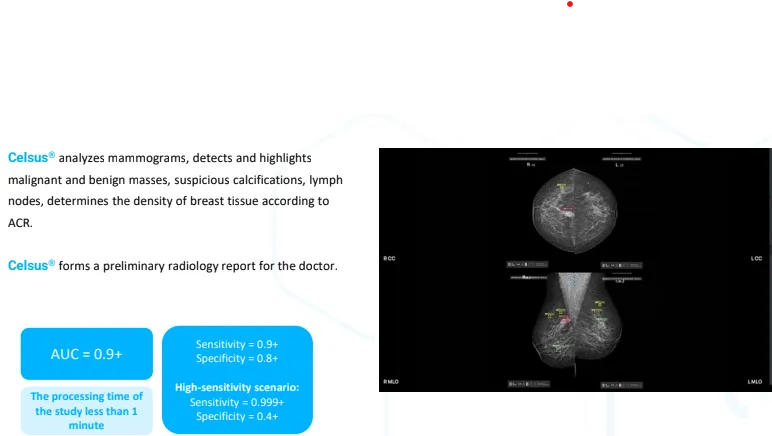
Celsus: AI-Powered Radiology Tool for X-Ray, CT, and Mammography Interpretation
The increased burden on radiological departments leads to high costs for treatment and rehabilitation, reduces the detection of oncological and other ...


MAHILA: Smartphone-Based AI Screening for Maternal Anemia Using Eye and Tongue Images
Affecting an estimated 12 million pregnant women annually in India, maternal anemia is a major contributor to adverse maternal and neonatal outcomes, ...
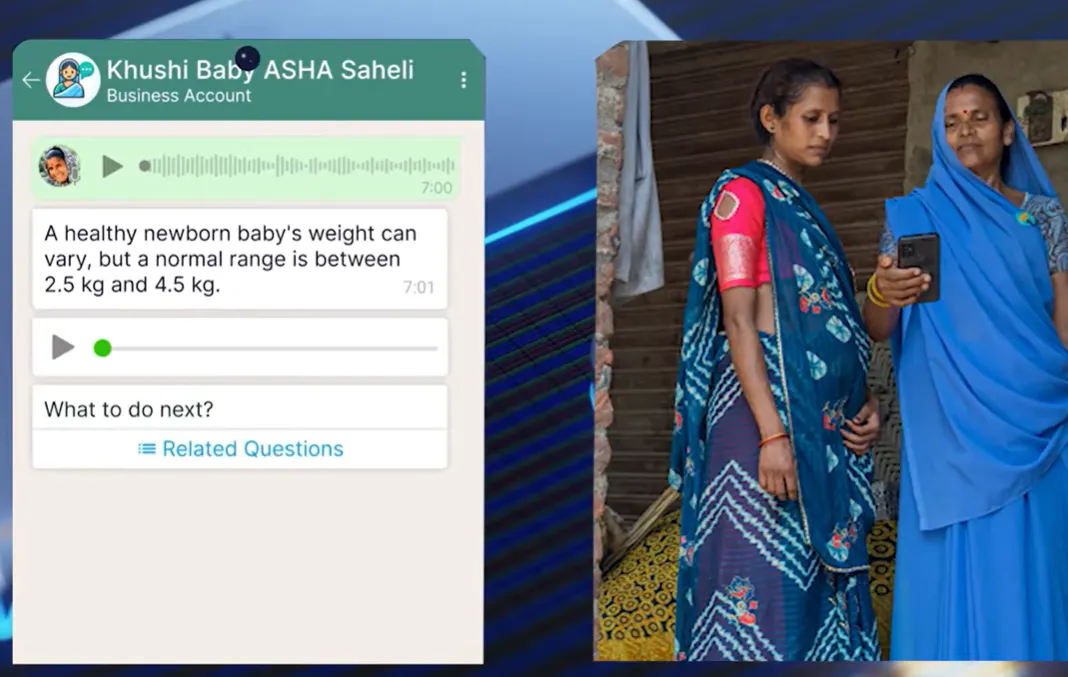
ASHASaheli: LLM-Powered Chatbot to Support the Informational Needs of Community Health Workers
India’s public health system, which delivers last-mile services to over 900 million people, faces a persistent “data-to-action” gap that limits timely...
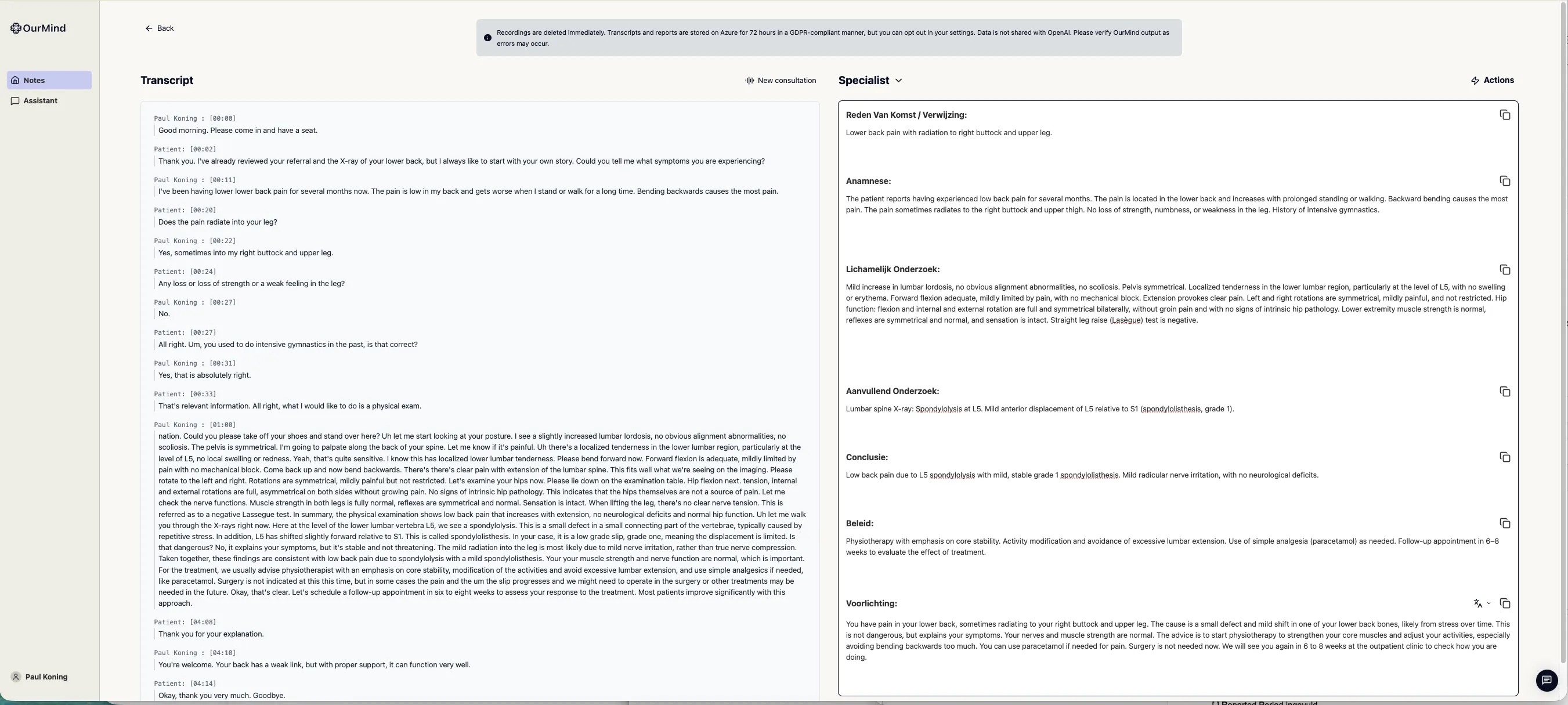
OurMind: Ambient and Agentic AI Platform for Reducing Documentation Burden for GPs and Hospitals
Healthcare systems worldwide face a documentation crisis. Physicians spend an estimated 1-2 hours daily on administrative tasks, particularly clinical...

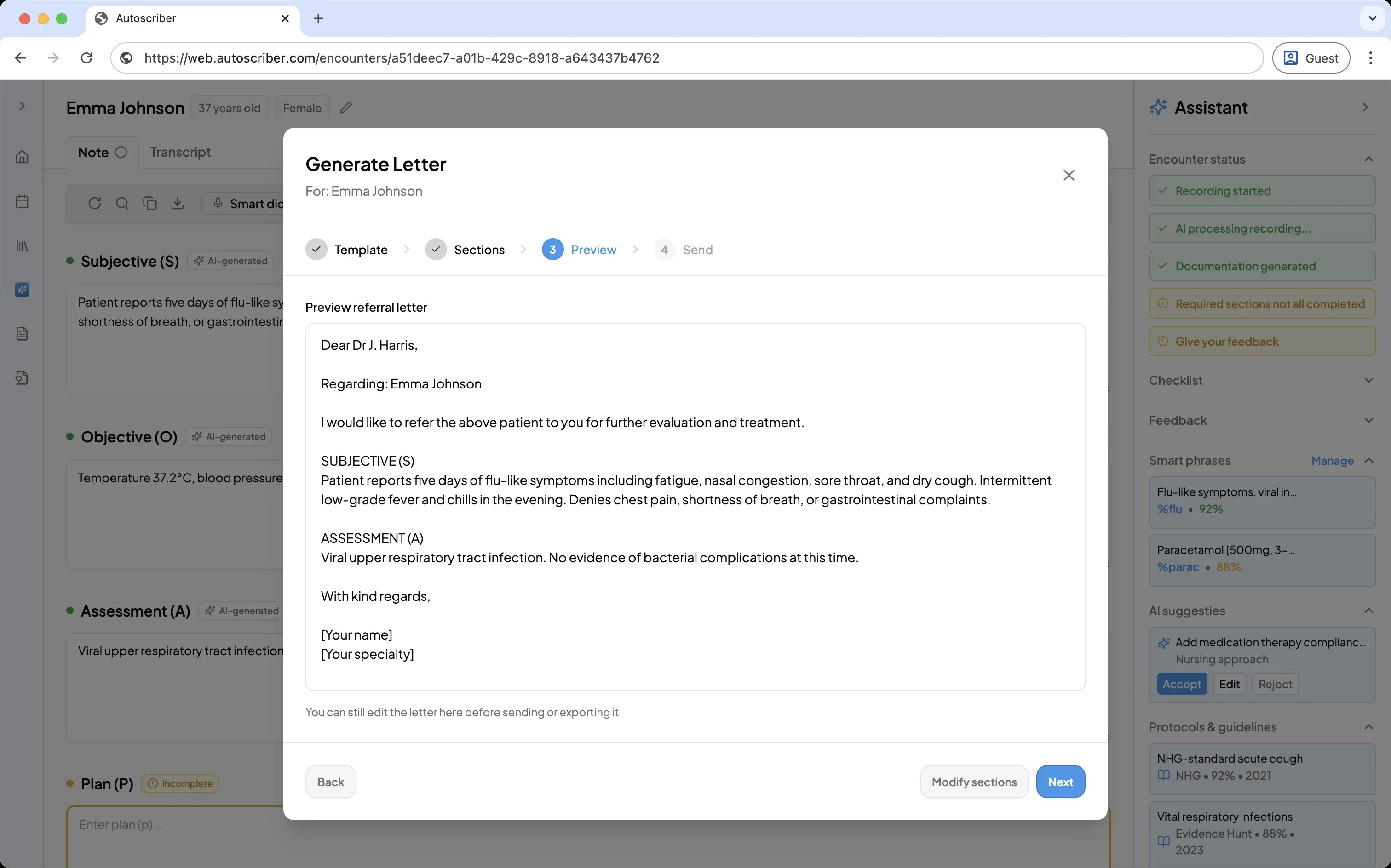
AutoScriber: AI-Powered Clinical Intelligence for Automated Medical Documentation, Structured Data Extraction, and Seamless EHR Workflow Integration
Healthcare professionals are currently facing an administrative crisis, spending a disproportionate amount of their workday - often hours after shifts...

Pearlii: AI-Enabled Free Dental Check-Ups
There is a lack of free, fast, and accessible dental check-ups. The app responds to this by enabling dental check-ups using five photos of the user’s ...
Other
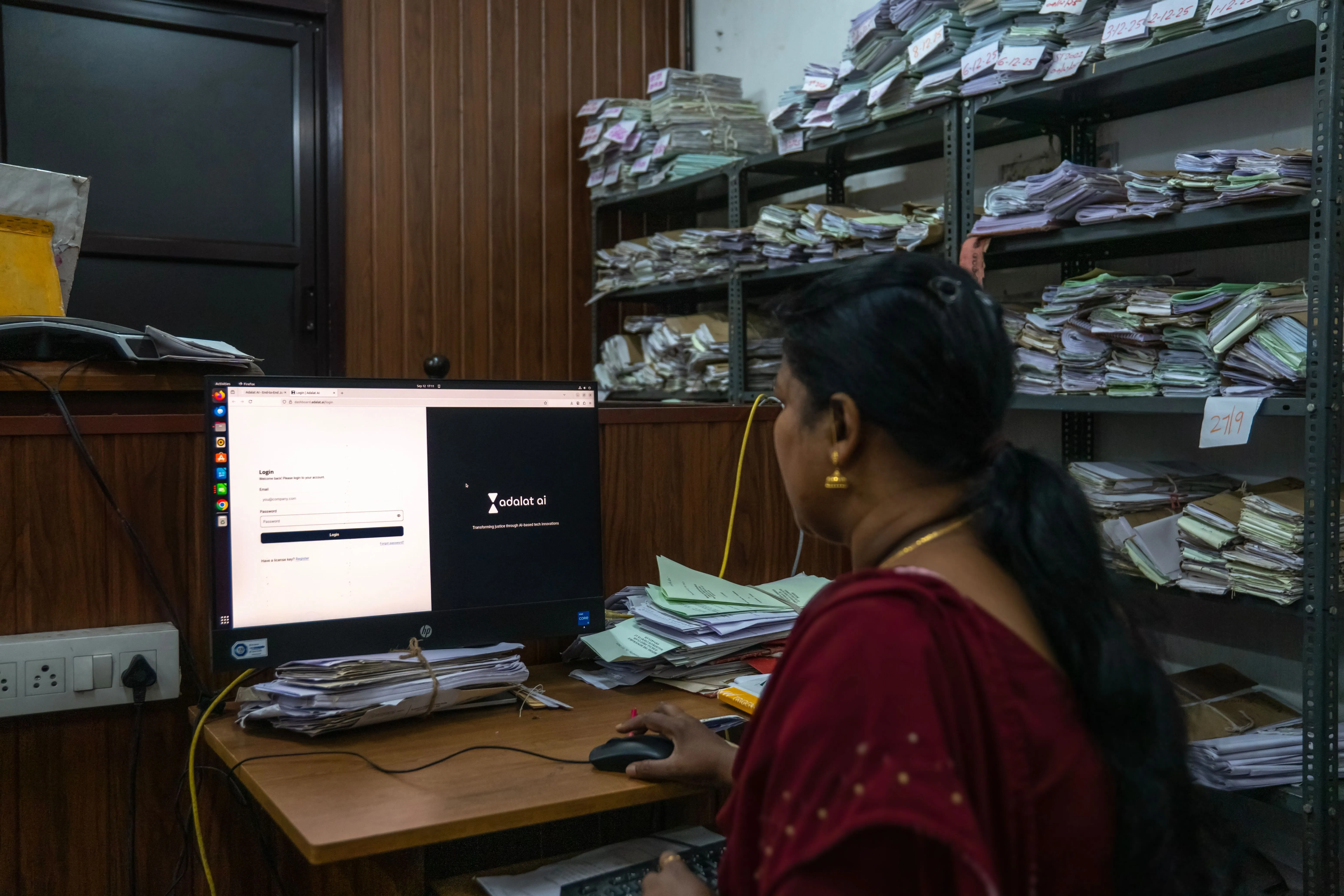
Adalat AI: AI-Powered Courtroom Transcription and Workflow Automation
Judicial systems in many countries face severe delays due to administrative bottlenecks within courtrooms rather than legal complexity alone. In India...
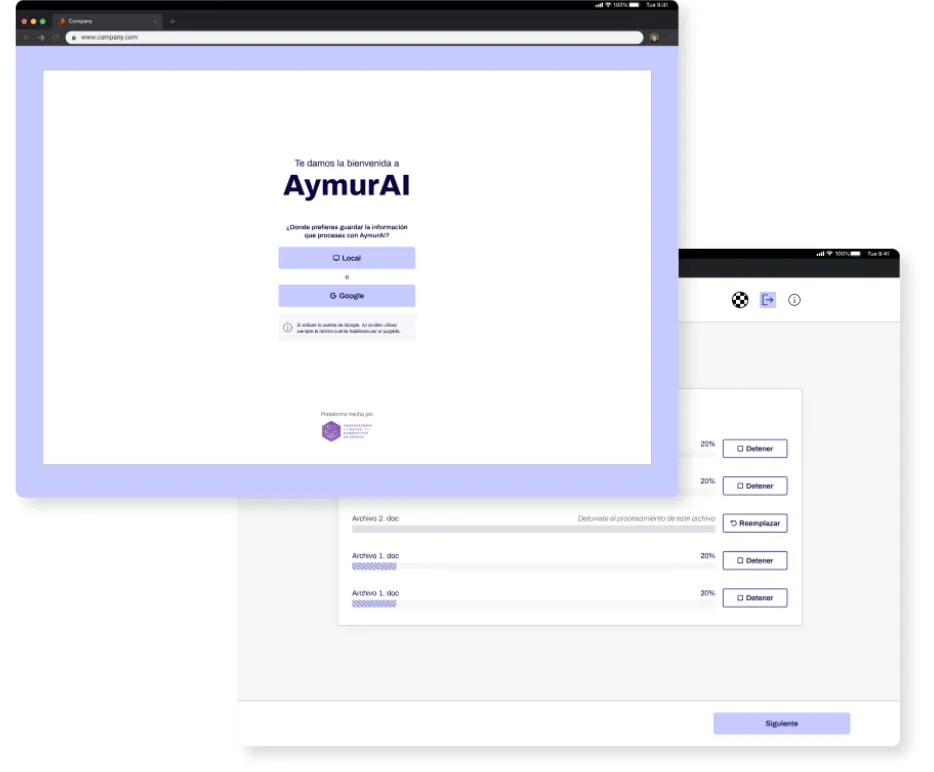
AymurAI: Structuring Judicial Data on Gender-Based Violence
In Latin America, knowledge about gender-based violence is trapped in unstructured judicial documents, accessible only through slow manual processes. ...

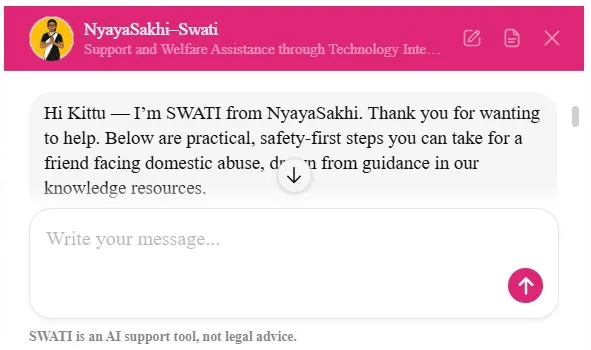
NyayaSakhi-SWATI: AI-Supported Pre-Litigation Guidance for Survivors of Domestic Violence
For many women experiencing domestic violence in India, the primary barrier is not the absence of law but limited access to legal knowledge. Financial...
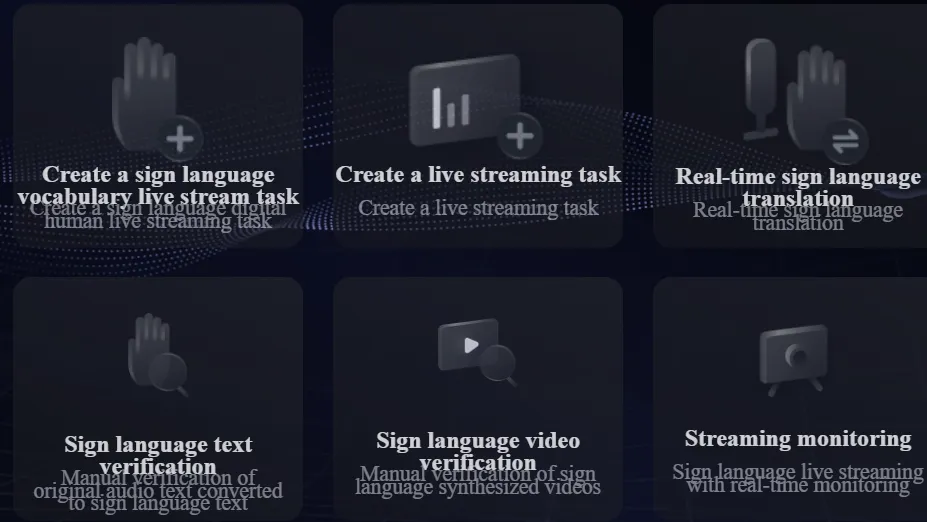
XiLing AI: An AI Sign Language Interpretation Solution
Over 27.8 million deaf and hard-of-hearing (DHH) individuals in China require sign language interpretation services, yet fewer than 500 certified sign...
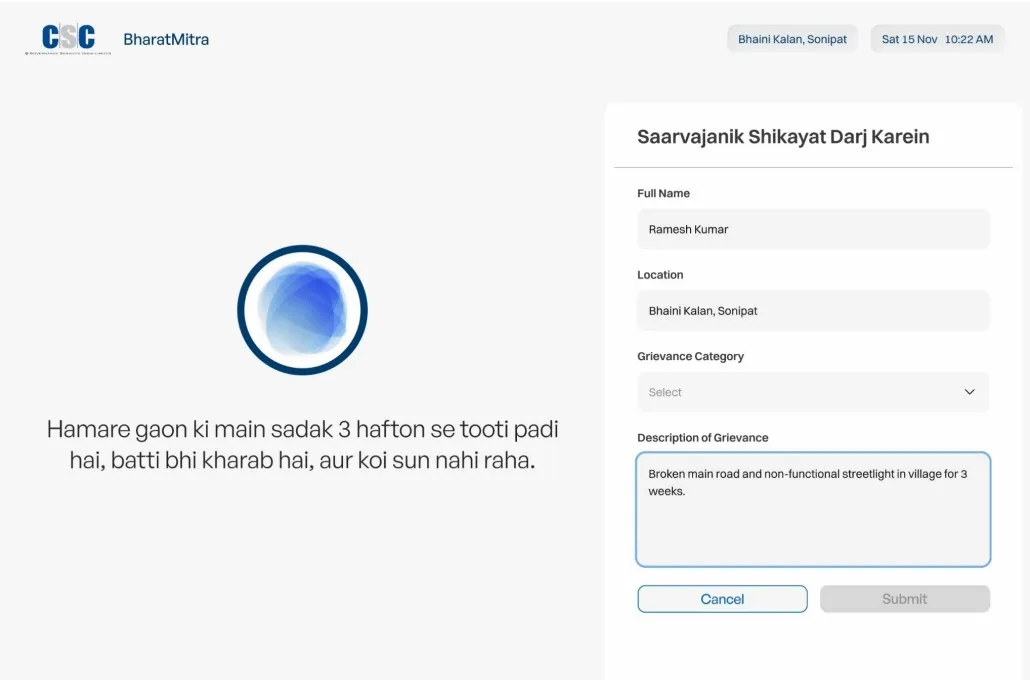
Jan-Sahayak: A Sovereign, Voice-First AI Operating System for Accessible Public Services
India's 26.8 crore Persons with Disabilities face a critical challenge in accessing digital public infrastructure. While government services have been...

SYSPIN Project: Translating AI Services into Nine Indian Languages with Open-Source Text-to-Speech Models
In a country as linguistically diverse as India, voice technology has the potential to transform how people connect with information, services, and ea...


Mozilla Common Voice Database: Open-Source Speech Datasets for East African Languages
To enable as many people as possible to benefit from AI, the technology must be able to “speak” and “understand” a wide range of languages, including ...
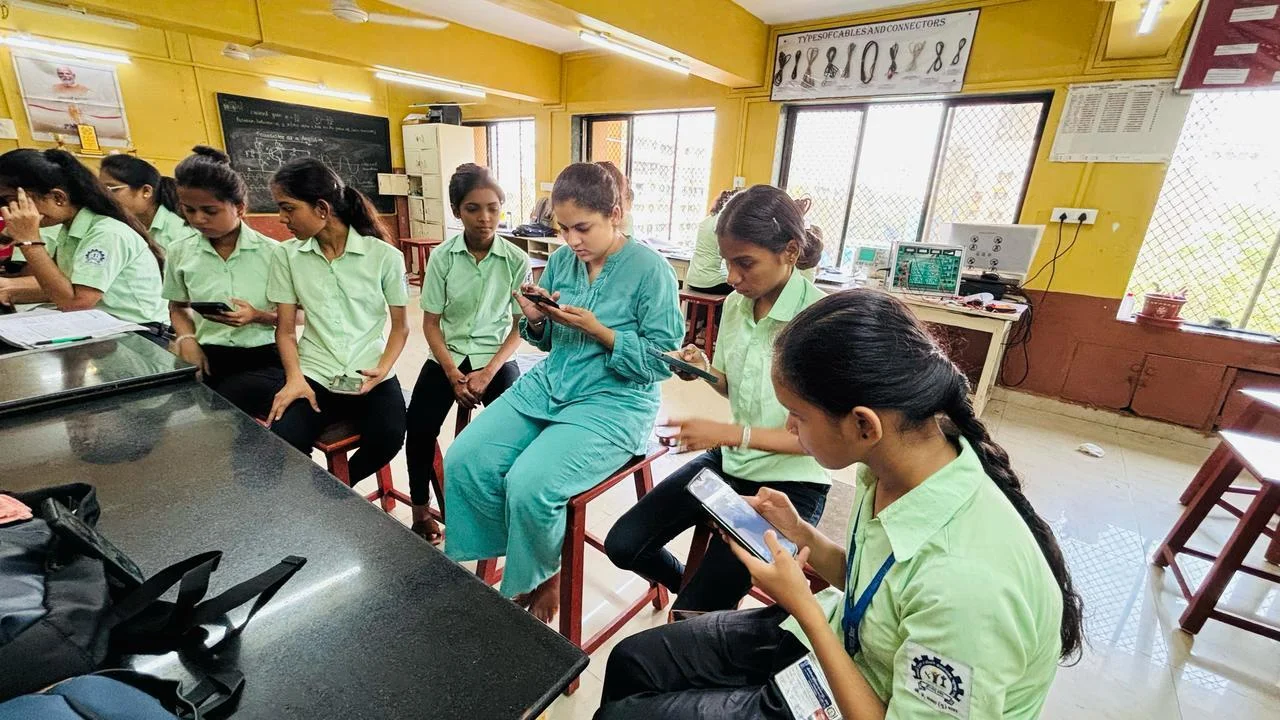
ChaturAI: AI Agent for Apprenticeship and Job Matching
Despite India’s large youth population, apprenticeship participation remains significantly below potential. While approximately one million apprentice...
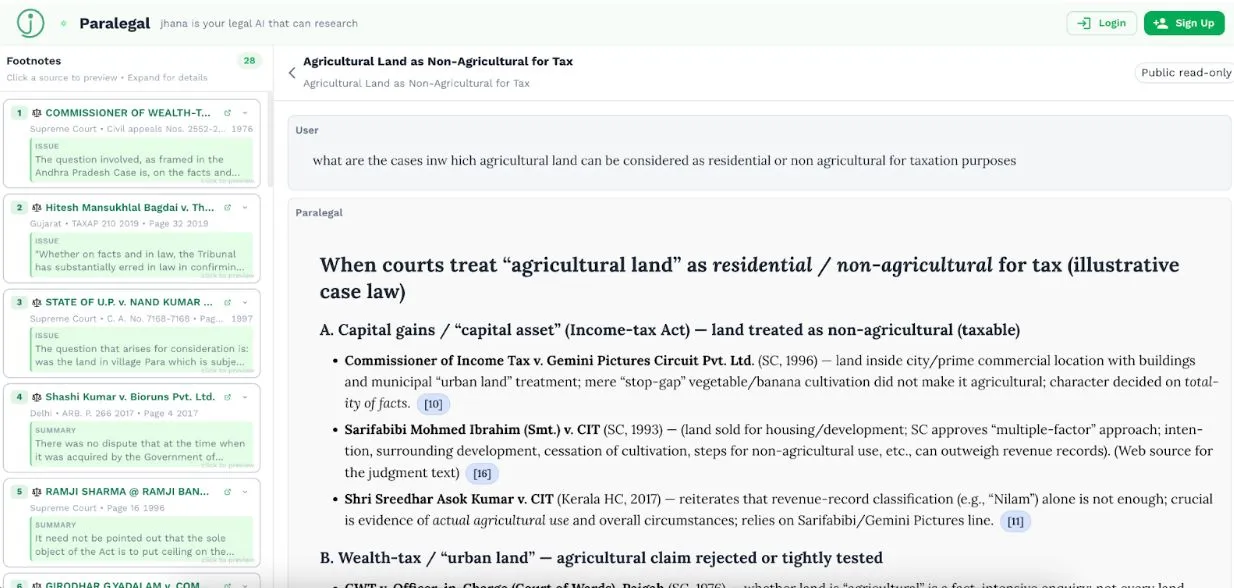
Jhana.ai Platform: AI-Powered Legal Infrastructure
Legal risk accumulates silently across everyday life events such as housing, marriage, inheritance, taxation, and disputes, yet citizens lack any fram...
OpenGateLLM: Platform for Accelerating AI Adoption in Public Administration
OpenGateLLM (also known as Albert API) addresses a structural issue to the adoption of generative AI across the French public sector: administrations ...


Barb: AI-Powered National Disability Insurance Scheme Navigator
Barb is trying to solve for fast and accessible disability support planning for families across Australia....

WomBot: AI-Powered Chatbot for Housing Support
Limited access to timely housing support and advice for people experiencing or at risk of homelessness, especially after hours, when services are typi...

DIVA: AI-Powered Government Chatbot Enhancing Public Service Delivery in Mauritius
Citizens often face challenges in accessing information and navigating services across various government departments. These challenges include limite...
